Tag: Venus

  • The Mighty Greek Goddesses: Power, Wisdom, and Magic

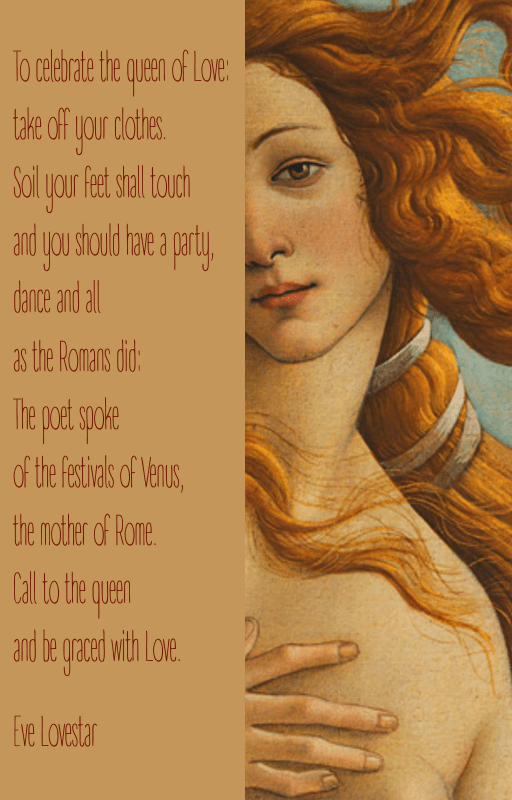
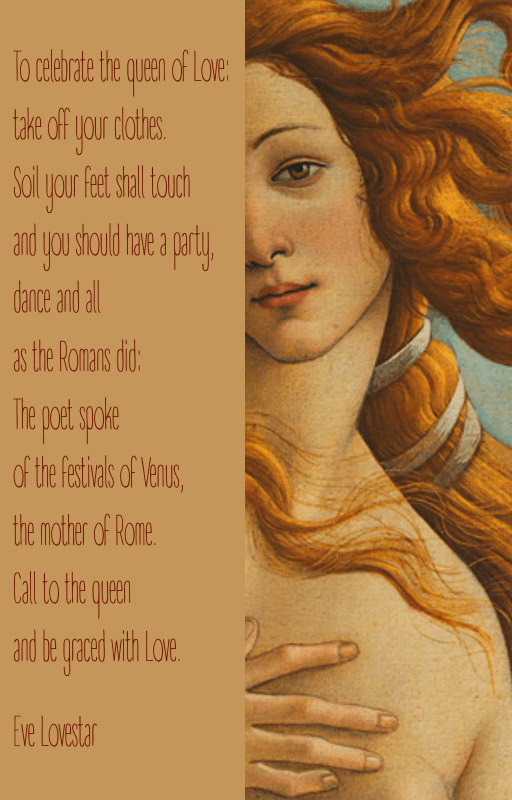
    Venus by Boticelli

    Find all my goddess research on my Patreon:

    https://www.patreon.com/cw/HerTemple

    While the Greek gods often command the spotlight, the goddesses were the true architects of destiny, wielding power that shaped everything from the harvest to the human soul. They were far more than just consorts and mothers; they were warriors, queens, scholars, and hunters. Today, we celebrate the might and complexity of the Olympian goddesses.

    Hera, the Queen of Olympus, was a force to be reckoned with, embodying the sanctity and struggles of marriage. Demeter’s grief could halt the seasons themselves, showing the profound connection between divine emotion and the natural world. Aphrodite wielded love and desire as a universal, unstoppable power, influencing both gods and mortals alike.

    Then there were the virgin goddesses, who claimed autonomy over their own bodies and domains. Athena, born from Zeus’s head, was the patron of wisdom, strategic war, and civilization. Artemis, the fierce huntress, roamed the wilds with her nymphs, protector of young women and the untamed earth. Hestia, though she gave up her throne, was the gentle, essential heart of every home and city.

    These goddesses, along with chthonic (underworld) powers like Persephone and Hekate, present a complete picture of female divinity—one of strength, intelligence, and immense influence.

    Next time, we’ll step away from the drama of Olympus to meet the gentle and essential Hestia.


    Want to Dive Deeper?

    https://www.patreon.com/cw/HerTemple

    Meet the Greek Goddesses:

    Goddess Songs – The Ancient Stream

    https://payhip.com/b/8Tb6s

    Persephone & Hades Dark Romance in the Underworld

    https://payhip.com/b/iVTop

    Nyx – Mistress Night. Goddess Songs and Shadow Work. – Payhip

    Find all my goddess research on my Patreon:

    https://www.patreon.com/cw/HerTemple

    Thank you for reading,

    There will be more like this,

    Eve

  • The 12 Olympians: The A-List of Ancient Greece

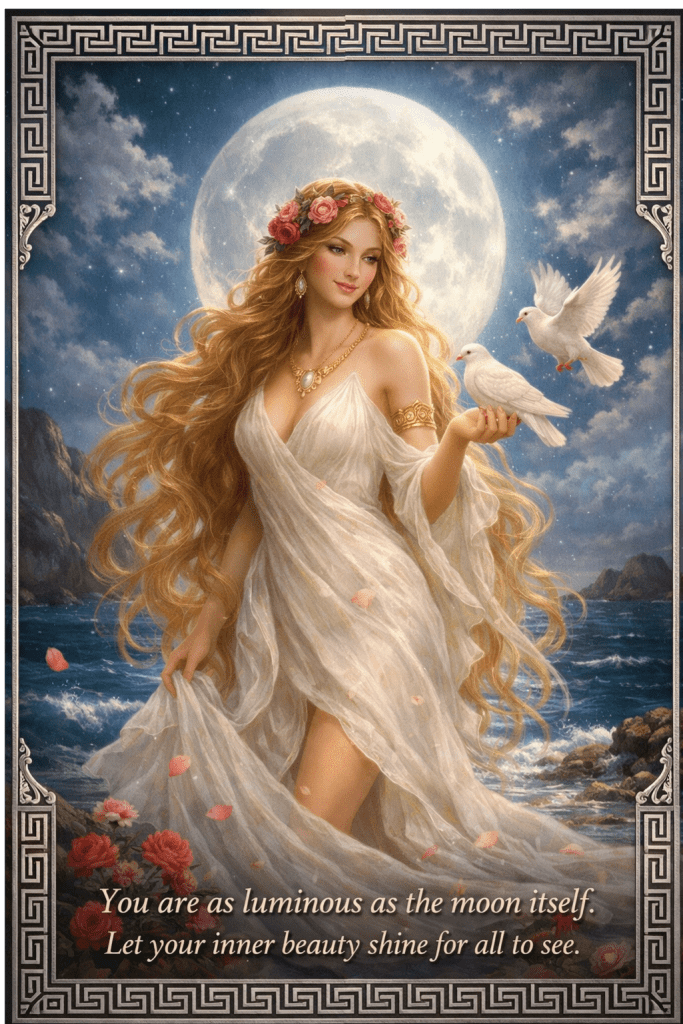
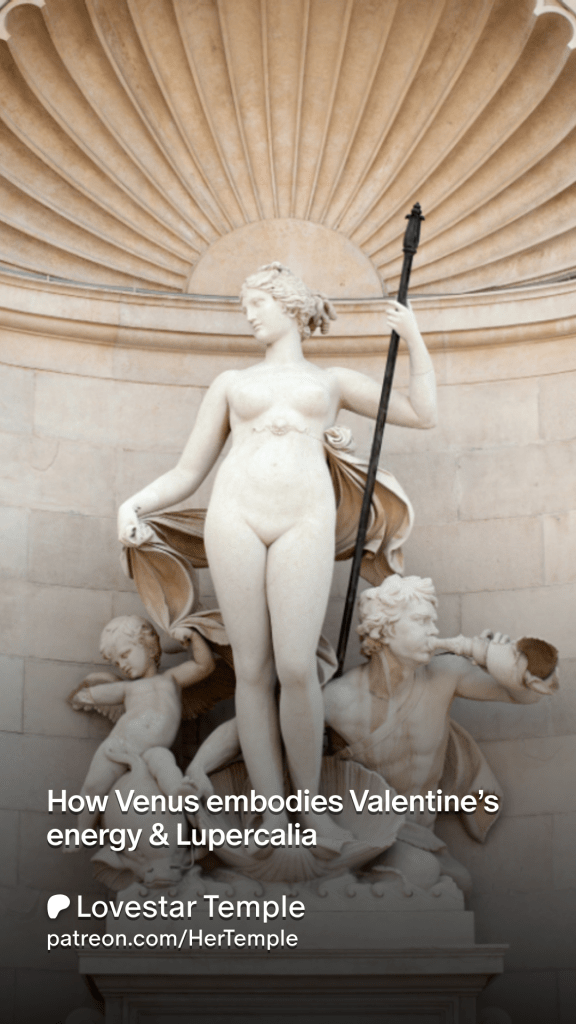
    I believe this is Venus from the Roman period

    Read the complete series and in-depth research for free on Patreon:

    https://www.patreon.com/cw/HerTemple

    What is premium content on my Patreon is goddess devotion, so you can read everything I am learning about goddesses, and I did decide to create a thing about as many gods as I can, but as you know, I love the goddesses, not the gods.

    The 12 Olympians: The A-List of Ancient Greece

    When we hear names like Zeus, Athena, or Apollo, we often picture majestic marble statues or dramatic scenes from movies. But for the ancient Greeks, these gods were the fundamental forces that shaped their world, their culture, and their understanding of life itself. They were a complex family of immortals, each with their own domain, personality, and flaws, reflecting the full spectrum of human experience.

    Today, we’re starting a journey to meet the Olympians, the divine rulers who called Mount Olympus their home.

    Where Did the Gods Come From? It All Started with Chaos

    Before the familiar gods of Olympus, there was only Chaos—a void of nothingness. From Chaos emerged the first primordial deities, including Gaia (Earth) and Ouranos (Sky). Their union created the Titans, the first rulers of the cosmos.

    The most important Titan, Cronus, overthrew his father Ouranos. Fearing a prophecy that he too would be overthrown by his own child, Cronus swallowed each of his children at birth. His wife, Rhea, desperate to save her youngest, Zeus, tricked Cronus by giving him a stone wrapped in swaddling clothes. The infant Zeus was hidden away and raised in secret.

    When he came of age, Zeus forced Cronus to disgorge his siblings: Hestia, Demeter, Hera, Hades, and Poseidon. What followed was a cataclysmic war known as the Titanomachy, where Zeus and his siblings fought the Titans for supremacy. Victorious, the three brothers drew lots to divide the world:

    • Zeus: King of the Gods and ruler of the Sky.
    • Poseidon: God of the Seas, Earthquakes, and Horses.
    • Hades: God of the Underworld and ruler of the Dead.

    With the cosmos divided, a new era began—the age of the Olympian Gods.

    The 12 Olympians: The A-List of Ancient Greece

    While the number sometimes varies, the canonical Twelve Olympians were the principal deities of the Greek pantheon. They were not distant, all-powerful beings; they were passionate, jealous, generous, and vengeful.

    Here is a quick introduction to the core twelve:

    1. Zeus: The ruler of the gods, god of the sky, lightning, thunder, law, and order. His weapon is the thunderbolt.
    2. Hera: The queen of the gods, goddess of marriage, women, and family. She was both the wife and sister of Zeus.
    3. Poseidon: God of the sea, rivers, floods, droughts, and earthquakes. His symbol is the mighty trident.
    4. Demeter: Goddess of the harvest, agriculture, and the sacred law of the cycle of life and death.
    5. Athena: Goddess of wisdom, handicraft, and strategic warfare. She was born, fully armed, from Zeus’s forehead.
    6. Apollo: God of light, the sun, prophecy, philosophy, archery, medicine, music, and poetry.
    7. Artemis: Goddess of the hunt, the wilderness, wild animals, the moon, and chastity. Apollo’s twin sister.
    8. Ares: God of war, specifically the violent and brutal aspects of battle.
    9. Aphrodite: Goddess of love, beauty, pleasure, and procreation. She was born from the sea foam.
    10. Hephaestus: The master blacksmith and craftsman of the gods, god of fire, metalworking, and sculpture.
    11. Hermes: The messenger of the gods, god of trade, thieves, travelers, sports, and border crossings.
    12. Dionysus: The youngest Olympian, god of wine, viticulture, fertility, ritual madness, and religious ecstasy.

    (Hades, while a major god, did not reside on Mount Olympus and is typically not counted among the Twelve. Hestia, the original Olympian of the hearth, gave up her seat to Dionysus to maintain peace.)

    Temple of Aphrodite | Patreon

    Why the Greek Gods Still Captivate Us

    The Greek gods are timeless because they are so profoundly human. Their myths are not just entertaining stories; they are archetypal narratives that explore love, loss, ambition, jealousy, and the struggle for power. They were used to explain natural phenomena (why the seasons change, why volcanoes erupt) and to teach moral and social lessons.

    From Renaissance art to modern-day psychology (think “Oedipus Complex” or “Narcissism”), the legacy of these deities is woven into the very fabric of Western civilization.

    In our next post, we’ll dive deeper into the tumultuous life of the King of the Gods himself: Zeus! We’ll explore his many loves, his powerful children, and why he was both revered and feared.


    Want to Dive Deeper? Here are some excellent resources for further research:

    • Theoi Greek Mythology: An extensive and meticulously researched resource on the gods, spirits, and creatures of Greek mythology, complete with original texts.
    • Harvard’s Center for Hellenic Studies, Classical Mythology: Offers translations of primary sources and scholarly articles.
    • Mythopedia – Greek Gods: A user-friendly encyclopedia with great summaries and family trees.
    • Book: “Mythology: Timeless Tales of Gods and Heroes” by Edith Hamilton: The classic introductory text that has captivated readers for generations.

    Let me know in the comments which god or goddess you’re most excited to learn more about!

    Learn more on my Patreon:

    Temple of Aphrodite | Patreon

    Eve

  • The Evolution of Venus: from garden goddess to mother of Rome

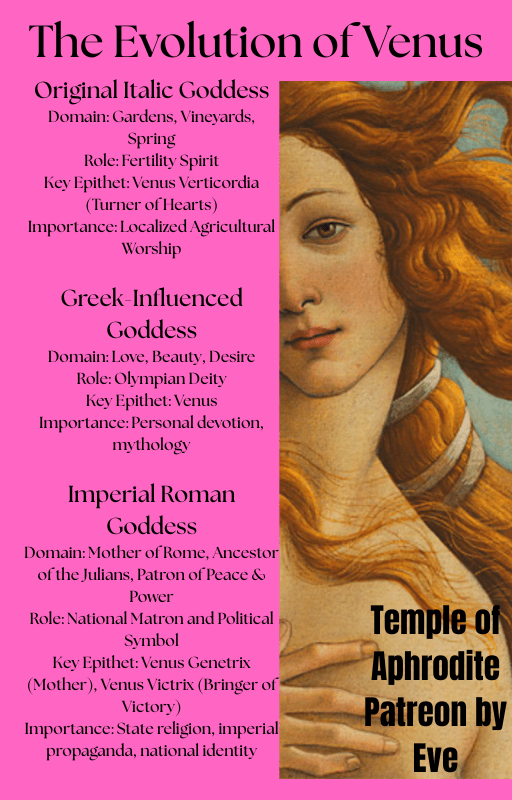
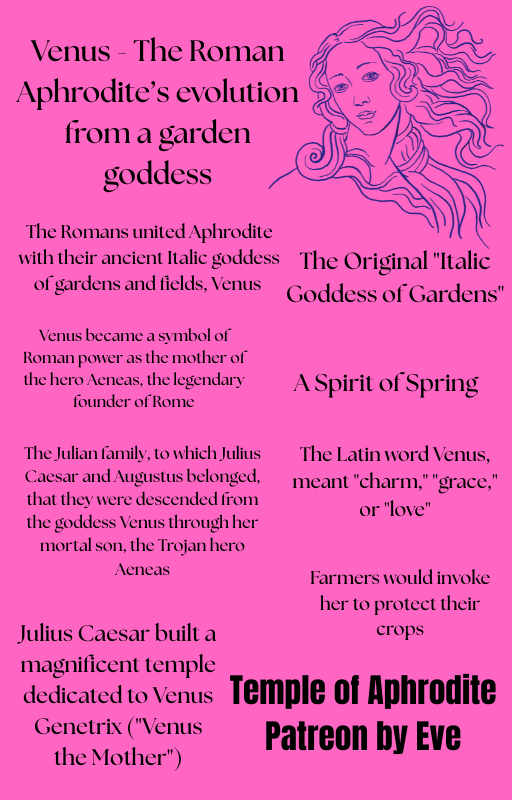
    The article details the dramatic evolution of the Roman goddess Venus, who originated not as a major Olympian but as a humble native Italic spirit of gardens, vineyards, and springtime fertility. Her transformation began when the Romans syncretized her with the Greek goddess Aphrodite, adopting the myths of love and beauty.

    However, her most significant evolution was political: the Julian clan, including Caesar and Augustus, claimed her as their divine ancestor (Venus Genetrix) through the Trojan hero Aeneas. This propaganda recast her from a goddess of love into the divine mother of Rome and a symbol of imperial peace and power, reflecting how her narrative was reshaped to serve the state’s ambition.

    (more…)
  • Friday the 13th The Real meaning of it, Divine Feminine Energy, Venus Day

    Dear Lovestar,

    Somehow, I knew it was Venus day before I realized it was Friday the 13th.

    Although I work with Venus, I was amazed at this synchronizity!

    I’ll talk more about this everywhere I can.

    FRIDAY THE 13th

    Unlucky day
    For those who fear
    Our feminine ways.
  • Friday the 13th Celebrating Venus leading us into the Solstice & DF – DM union

    Dear Lovestar,

    I tweeted today,

    Only afterwards, I realized it was Friday the 13th, Venus day, and a lucky goddess day for the feminine.

    I’ll talk about this today.

    Eve

  • Lupercalia – How to Celebrate for twin flames and sex magicians

    Lupercalia card for my lover

    Lupercalia: The Ancient Celebration of Fertility and Passion

    Lupercalia, celebrated annually on February 15, was one of ancient Rome’s oldest festivals, dedicated to fertility, purification, and protection. It honored Lupa, the she-wolf who nursed Romulus and Remus, Rome’s legendary founders, and the god Faunus (associated with the Greek Pan), a protector of shepherds and nature.

    The Rituals of Lupercalia
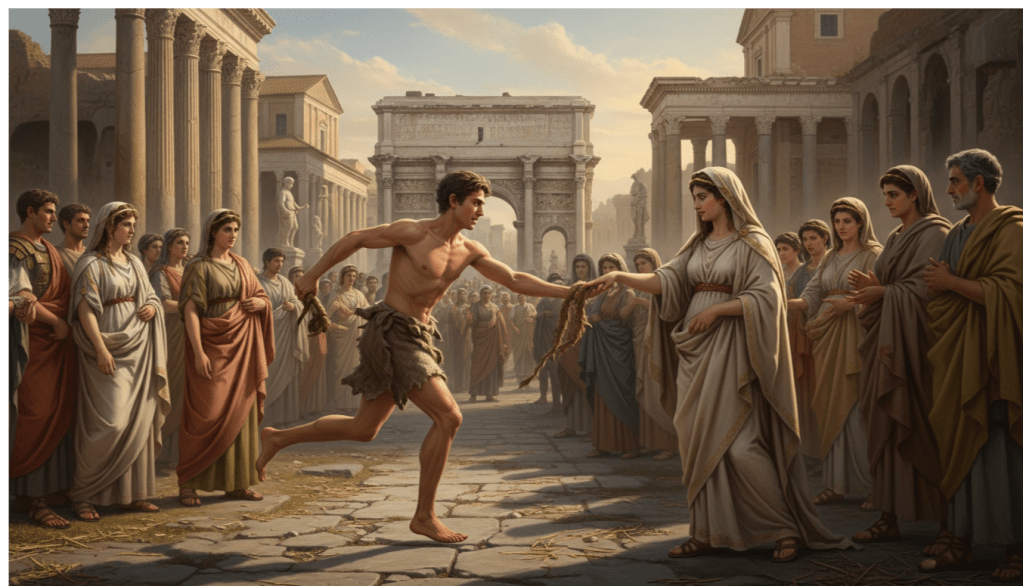
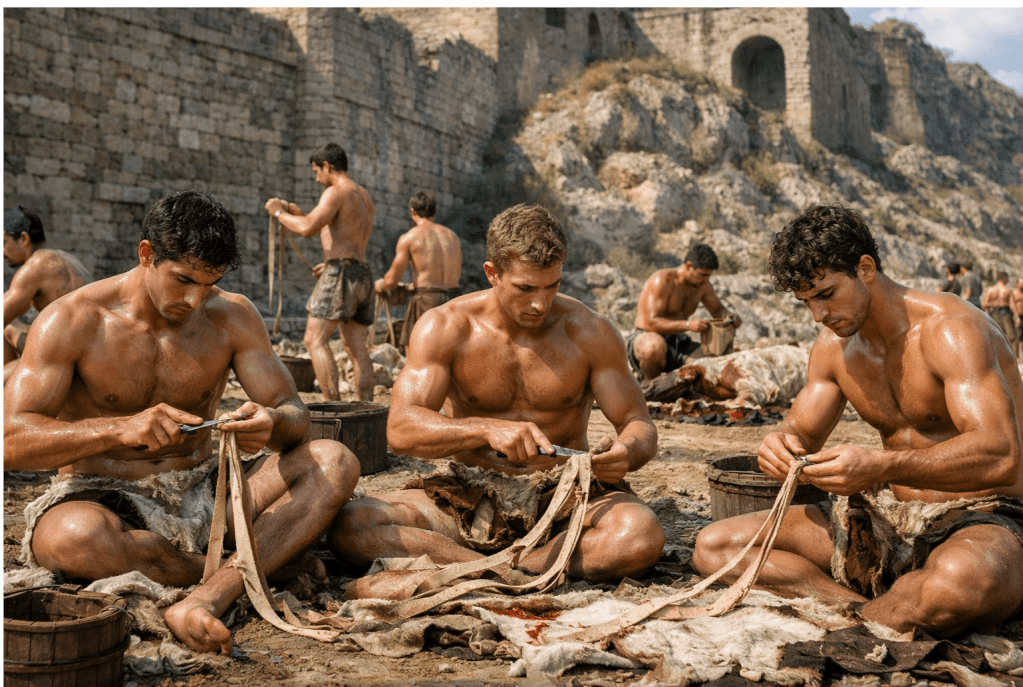
    The festivities began in the Lupercal cave, where priests called Luperci sacrificed goats and a dog—symbols of purification and vitality. They then smeared the blood on their foreheads and wiped it clean with milk-soaked wool. In a symbolic act of fertility, the Luperci ran through the streets, gently striking onlookers (especially women) with goat-hide strips, which was believed to bestow fertility and ease childbirth.

    Twin Flame Connections and Lupercalia’s Themes
    For those on a twin flame journey, Lupercalia resonates deeply with its themes of passion, union, and rebirth. Just as twin flames undergo cycles of separation and reunion, this ancient celebration acknowledged both the wild, primal nature of love and its transformative power. The striking of women with goat hides could be seen as symbolic of breaking down barriers and purifying past wounds to make space for new growth—parallels that reflect the twin flame experience.

    Lupercalia and Valentine’s Day: A Pagan Legacy?
    Many believe Valentine’s Day has roots in Lupercalia due to their shared themes of love and fertility. By the 5th century, Pope Gelasius I abolished Lupercalia, transforming it into a Christian feast day honoring St. Valentine, a martyr associated with secret marriages. Over time, the celebration evolved into the romantic holiday we know today, blending pagan fertility customs with Christian ideals of love and devotion.

    For twin flames, understanding the history of Lupercalia can offer profound insights into the dual nature of love: raw and untamed, yet deeply sacred and healing—a perfect reflection of the twin flame journey.

    I convinced my partner to celebrate Lupercalia with me.

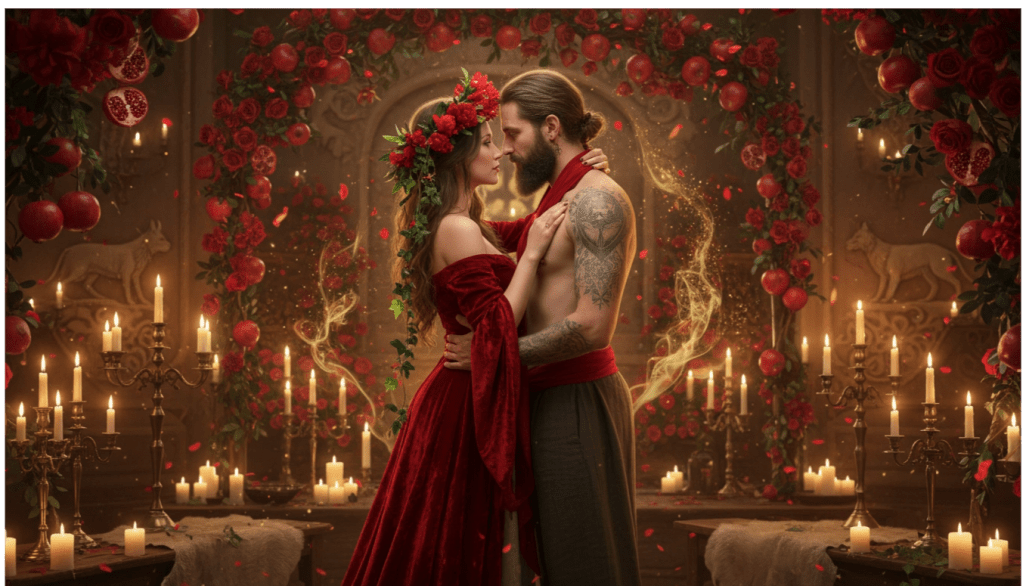
    Since it’s an ancient Roman celebration, I’m going to celebrate with my goddess Venus as I’m certain she was a part of the celebration.

    I’m going to wear red to symbolize the blood.

    I’m going to write him a love note since I read it was done at Lupercalia.

    While writing this, I got a genius idea. At Lupercalia, couples would unite for a year, while some of these couples would continue to be a couple, some would only last the year, and this included intimacy.

    I’m going to make a one year promise to him. It’ll be hilarious šŸ˜‚ I’m going to write this in my love note.

    And I’m not sure I’ll tell you everything else I’m going to do because it’ll be between my lover, Scorpio, Venus, and I.

    Happy Lupercalia

    Eve

  • Venus Day and a Feminine Blessing: Friday the 13th

    Venus Day and a Feminine Blessing: Friday the 13th

    Dear Lovestar

    Follow me on X where many of my poems go live first

    Celebrating Venus Day: Embracing the Ancient Goddess on Friday the 13th

    In ancient times, Friday the 13th was not the harbinger of misfortune that it is often considered today. Instead, it was a day imbued with positive significance, particularly in the context of Venus, the ancient goddess of love, beauty, and fertility. This day offers a unique opportunity to connect with the divine feminine and celebrate Venus’s enduring influence.

    Ok, I have to find an actual connection between Friday the 13th and Venus, in ancient times Friday was Venus’s day. Venus as Aphrodite is one if the most ancient deities and this day was celebrated as the goddess day. So I’m observing it as Venus day on steroids.

    Ancient Lore and Venus

    Venus, known as Aphrodite in Greek mythology, was revered across ancient cultures. She was celebrated not only for her associations with love and beauty but also for her role as a symbol of prosperity and harmony. The number 13, often seen as unlucky in modern times, had positive connotations in pre-patriarchal societies. It was associated with the lunar cycle and feminine energy, reflecting the cycles of life and nature.

    In Roman times, Venus had numerous festivals, including the Veneralia, held on April 1st, and the Venerealia, dedicated to her worship. The goddess was also honored in various rites connected to love and fertility, celebrating the life-giving forces she represented.

    Modern Celebrations of Venus Day

    Today, Friday the 13th can be a powerful day for modern spiritual women (and anyone else) to reconnect with Venus and celebrate her essence. Here are some ways to honor this ancient goddess and integrate her influence into contemporary spiritual practices:

    1. Rituals of Love and Beauty:
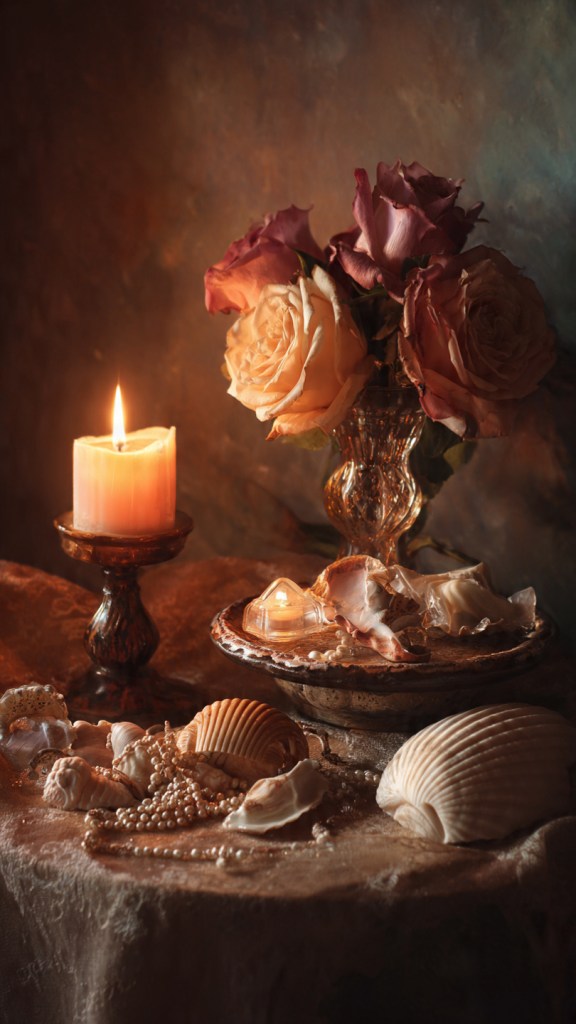
    • Create a Venus Altar: Set up a small altar with symbols associated with Venus such as roses, seashells, mirrors, and candles. Use these items to create a space that reflects beauty and harmony.
    • Offerings: Prepare offerings of flowers, honey, or sweet treats as symbols of abundance and love. These can be placed on your altar or shared with loved ones as an act of kindness.
    1. Meditation and Reflection:
    • Venus Meditation: Engage in a meditation focused on self-love and empowerment. Visualize Venus’s energy surrounding you, fostering a sense of beauty and confidence.
    • Journaling: Reflect on your personal connections to love and beauty. Write about how Venus’s attributes influence your life and how you can embody them more fully.
    1. Celebratory Activities:
    • Host a Gathering: Organize a gathering with friends or fellow spiritual practitioners to celebrate Venus Day. Share poetry, art, and stories that resonate with Venus’s themes.
    • Dance and Music: Venus was often associated with celebration and joy. Dance or listen to music that uplifts and connects you to the goddess’s energy.
    1. Embrace Feminine Wisdom:
    • Craft and Create: Engage in creative activities such as crafting, painting, or writing that allow you to express the divine feminine energy. Venus’s influence can inspire creativity and self-expression.
    • Learn and Share: Study the ancient lore of Venus and share your knowledge with others. Understanding the historical context can deepen your appreciation and connection to the goddess.

    Embracing the Spirit of Venus

    By celebrating Venus Day on Friday the 13th, modern spiritual women can reclaim the day’s ancient significance and embrace the goddess’s attributes in their daily lives. This celebration is an opportunity to honor the divine feminine, nurture self-love, and connect with the enduring legacy of Venus’s beauty and power.

    Whether through ritual, meditation, or creative expression, let Venus’s spirit guide you in celebrating love and beauty, and find joy in reconnecting with this timeless deity.


    Please comment with ideas or your wisdom on the topic,

  • I tried belly dance again and even introduced my daughters

    Dear Lovestar,

    I started learning Greek and I tried listening to Greek music but my ffamily did not like it. I study Italian and for learning, I listen to Italian music and do Italian karaoke. But the Greek music was a huge no for them, but I liked it. Anyway, while I was on the international music energy, I told my kids about my old belly dance obsession. It is howevver, not surprising at all that I just rediscovered bellydancing when I just started to work with Venus!

    There was a time, when I was an arts and craft blogger when I used to call myself the belly dancer. I used to draw belly dancers, took a video class, made belly dance costumes, and had a belly dance playlist before I had kids. Now, my oldest kid is 11. It has been a long time. And just like that, I found a belly dance lesson on Youtube. My secind daughter started the lesson with me but stopped because it was hard. During part of the lesson, my son asked to be held while I danced.

    Rediscovering the Joy of Belly Dancing: A Fun and Empowering Workout for Women

    There’s something magical about finding a form of exercise that not only gets your body moving but also nourishes your soul. That’s exactly what happened to me when I decided to give belly dancing another try. I had been reading about its benefits for women—how it’s great for fitness, boosts confidence, and even connects us with our feminine energy. Curious and excited, I jumped in, and it turned out to be one of the best decisions I’ve made for myself—and for my daughter said it as fun, it really was.

    A Workout That Feels Like Fun

    To me working out feels like a chore. But belly dancing? It’s a whole different experience. From the moment I started moving, I felt a sense of joy and freedom. The music, the movements, the rhythm—it all comes together in a way that’s not just about exercise but about celebrating my body. It’s like a dance party where I was the star, and the best part is, it doesn’t feel like work at all!

    Belly dancing engaged muscles I didn’t even know you had, and by the end of it, I realized I’d had a serious workout. But instead of feeling exhausted, I felt energized and more in tune with my body. The flowing movements work wonders for your core, hips, and even your posture. It’s a full-body workout wrapped in fun and creativity. My daughter did not believe me when I told her this teacher will help with her posture. I finished the class with a smile and ready to do some work.

    Connecting with Feminine Energy

    One of the things that drew me back to belly dancing was its deep connection to feminine energy. It’s a dance form that has been celebrated by women for centuries, and it’s easy to see why. The movements are all about embracing and enhancing your natural curves, moving with grace, and feeling confident in your own skin.

    As I danced, I felt a strong connection to the women who have danced this way throughout history. There’s something incredibly empowering about reclaiming this ancient art form and making it your own. It reminded me that movement isn’t just about fitness—it’s also about expression, joy, and connecting with the feminine energy that flows within us all.

    Ever Considered Belly Dancing?

    If you’ve been thinking about trying belly dancing—or if this is the first time it’s crossed your mind—I can’t recommend it enough. It’s a workout that’s good for your body, mind, and spirit. Whether you’re dancing alone, with friends, or sharing the experience with your daughters, it’s an activity that brings joy, confidence, and a deep connection to your feminine energy.

    So, put on some music, let your body move, and see where the dance takes you. You might just find that belly dancing becomes one of your favorite ways to stay fit, feel fabulous, and celebrate the beautiful, powerful woman that you are. And if you’ve got daughters, nieces, or friends, invite them to join in the fun. There’s nothing quite like the joy of dancing together and embracing the power of being a woman.

  • Venus Aphrodite. What the goddess represents

    Dear Lovestar,

    I understand perfectly if you do not believe in goddesses and deities. I myself, did not until I had an experience with Venus.

    However, if you do not believe in goddesses, here is how you can see Venus.

    Discovering Venus: Embracing the Essence of Beauty, Love, and Femininity

    For many, the name Venus evokes images of the ancient Roman goddess of love, beauty, and desire. But what if you don’t believe in goddesses or deities? Can Venus still hold significance in your life? Absolutely. Venus represents much more than mythology; she embodies universal energies that we can all connect with—beauty, love, femininity, and the powerful force of attraction, also our sexual energy.

    Venus Beyond Mythology

    You don’t need to believe in deities to feel the influence of Venus in your life. Think of Venus as a symbol, an archetype that represents certain aspects of our human experience. She’s the embodiment of love’s warmth, the glow of beauty that surrounds us, and the gentle yet potent energy of femininity. These are qualities we all recognize and can nurture within ourselves, regardless of our spiritual beliefs.

    Venus as the Energy of Beauty

    Beauty is one of the most accessible ways to connect with the essence of Venus. It’s not just about physical appearance but about finding and appreciating beauty in the world around you. When you take a moment to notice the colors of a sunset, the elegance of a flower, or the harmony in a piece of music, you’re tapping into Venus’s energy. Beauty enriches our lives, lifts our spirits, and connects us to something greater than ourselves.

    Venus as the Force of Love

    Love is another powerful way Venus manifests in our lives. It’s in the love we give and receive from others, the kindness we show to strangers, and the compassion we feel for those in need. Venus reminds us that love is a force that binds us together, making our lives richer and more meaningful. By cultivating love in all its forms—romantic, familial, platonic—we invite Venus’s energy into our hearts.

    Venus as the Embrace of Femininity also lives in our smile

    Venus also represents the energy of femininity, which is not confined to any particular gender. It’s about embracing qualities like nurturing, intuition, creativity, and softness. These traits are often undervalued in a world that prizes hard edges and fast results, but they are essential for balance and wholeness. By honoring and nurturing our feminine side, we bring Venus’s influence into our daily lives.

    Observing Venus in the Sky

    If you want to connect with Venus on a more tangible level, look to the night sky. Venus is the brightest planet and often visible just after sunset or before sunrise, known as the ā€œEvening Starā€ or the ā€œMorning Star.ā€ Observing Venus can be a grounding experience, reminding us of the vastness of the universe and our place within it. It’s a moment to reflect on the beauty, love, and femininity that Venus symbolizes.

    How to Connect with Venus’s Energy

    Whether or not you believe in Venus as a goddess, you can still invite her energy into your life. Here are a few ways to do so:

    1. Surround Yourself with Beauty: Create an environment that pleases your senses. This could be through art, nature, music, or anything that makes you feel more connected to the beauty of the world.
    2. Practice Acts of Love: Whether it’s showing kindness to others, expressing gratitude, or simply spending time with loved ones, let love be a guiding force in your actions.
    3. Honor Your Feminine Side: Embrace qualities like intuition, creativity, and empathy. This can be as simple as allowing yourself to be gentle and compassionate with yourself and others.
    4. Observe Venus in the Sky: Take a moment to step outside during her visibility and gaze up at the planet. Let this be a time of reflection and connection to the energies she represents.
    5. Smile more: The goddess lives in the smile.

    Embracing Venus in Your Life

    Venus is more than a mythological figure; she’s a symbol of the beauty, love, and femininity that enrich our lives. By consciously connecting with these aspects of ourselves and the world, we can invite more joy, harmony, and love into our everyday experiences. So, the next time you think about Venus, take a moment to reflect on the beauty, love, and feminine energy that she represents. Let her inspire you to live a life filled with these wonderful qualities.