Dear Lovestar,
Men often resent Valentine’s Day with a quiet intensity that goes unspoken. It arrives like an ambush: a single day demanding grand gestures, expensive dinners, and proof of devotion on command. Society scripts it as a test of manhood, where love must be purchased in roses, jewelry, or reservations, all wrapped in pink perfection. Fail to deliver, and you risk sulking silence or accusations of neglect. Succeed, and it feels like checking a box rather than kindling a flame. The pressure is relentless: perform or be labeled uncaring, cheap, or worse. No wonder many men push back, seeing it as a commercial trap that reduces their year-round efforts to one high-stakes spotlight.
Their argument carries real wisdom: love should not be confined to February 14. True devotion shows in the unglamorous daily acts, the steady hand on a back during stress, the quiet listening after a long day, the choice to stay when it is easier to drift. Forcing romance into a 24-hour spectacle cheapens it, turning intimacy into obligation. Men intuitively grasp this. They build love through consistency, not calendars, and resent the implication that their ongoing presence means nothing without a receipt. This stance is not coldness. It is clarity: real union thrives on authenticity, not artificial deadlines.
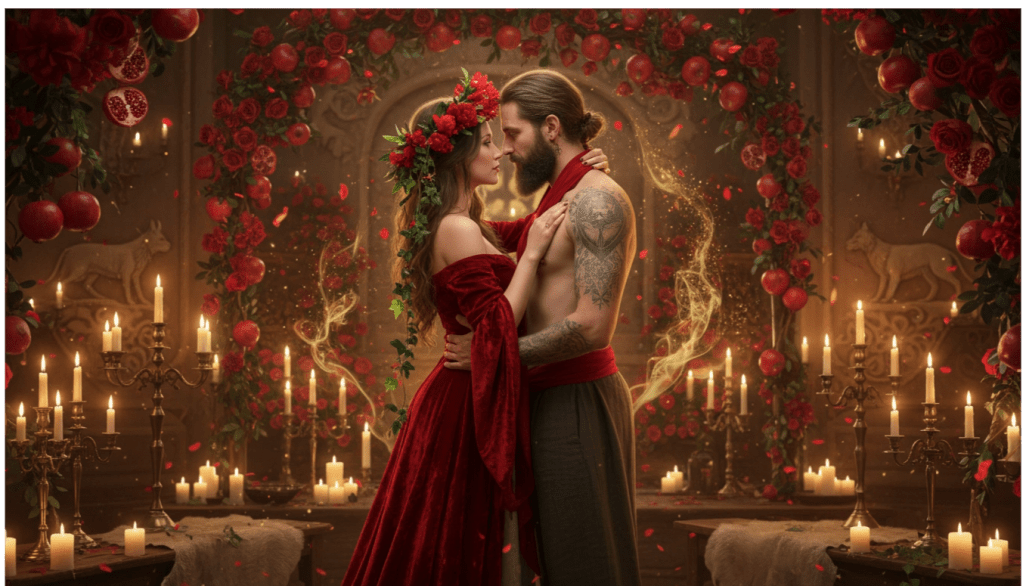
Consider Lupercalia instead, the ancient festival on February 15 that strips away the shopping and scripts. No chocolates required, no credit card swiped. Emerging from Rome’s primal roots, it celebrates wild desire, purification, and life force through raw, embodied rituals: runners shedding clothes and shame, lovers claiming each other under wolf moon light, blood blessings that honor essence over expense. Men can lead here, invoking strength as sacred hunters or devoted priests, without spending a penny. A simple red candle, shared words, naked dance in private, or a vow to your lover’s untamed heart boosts the union instantly. Desire awakens. Stagnation sheds. Closeness deepens. Celebrate Lupercalia in your temple, and watch love run free.
Lupercalia Temple Ritual is now yours in the Patreon shop, but hear this: it is not for everyone. This primal, Venus-blessed rite stirs blood, desire, and wild union in ways that demand care, consent, and reverence. For goddess lovers, romantics, and those ready to shed shame for sacred hunger, it awakens profound shifts. Approach with respect, or step away. Enter the temple only if your heart can hold its fire. ($8.88)
What was Lupercalia?
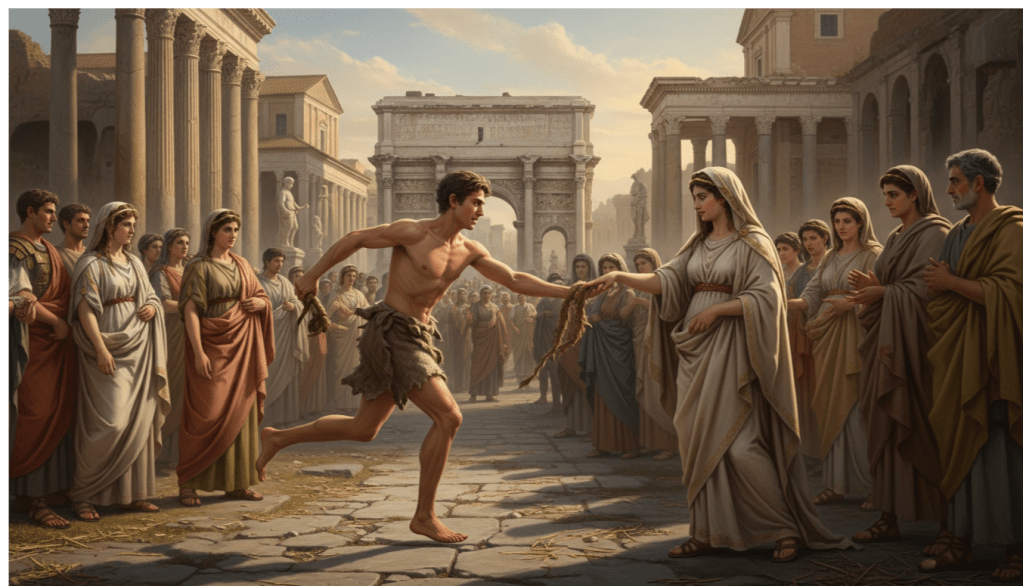
Lupercalia was an ancient Roman festival held annually on February 15, dedicated to fertility, purification, and the protection of livestock and women from barrenness. Its origins trace back to the earliest days of Rome, possibly as early as the 5th century BCE, and it was presided over by the Luperci, a brotherhood of priests selected from noble families. The festival took place in the Lupercal cave on the Palatine Hill, sacred to Lupa, the she-wolf who nursed Rome’s twin founders Romulus and Remus. This primal location set the tone for a rite that celebrated raw life force, wildness, and the beginnings of human civilization.
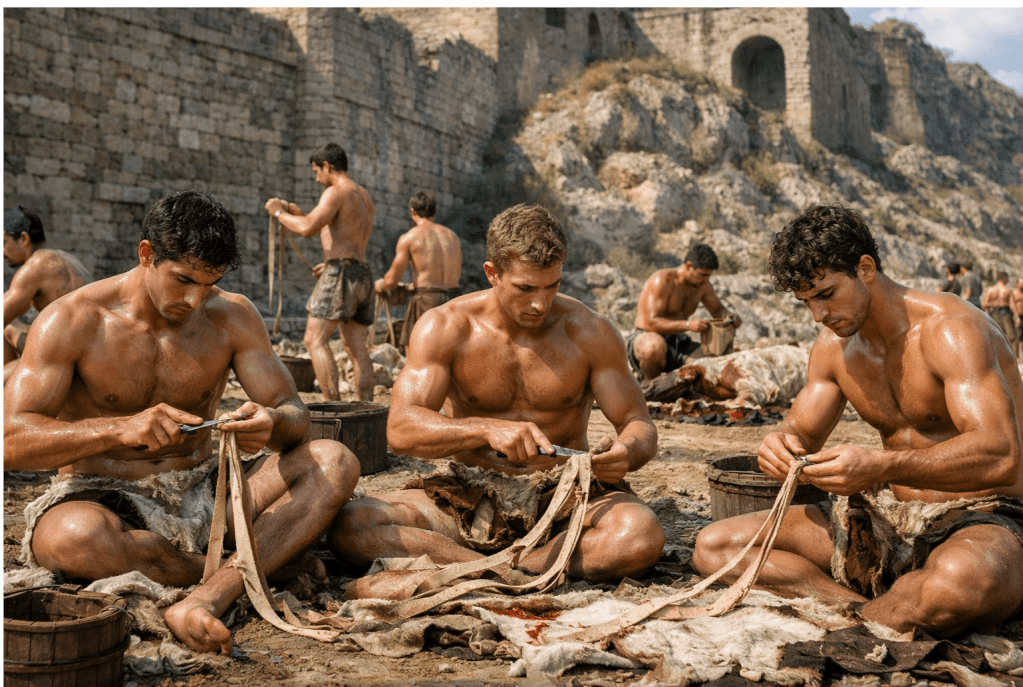
The core rituals were strikingly visceral. Young men from the Luperci ran naked or scantily clad through the streets of Rome, striking women with februa, thongs made from the freshly sacrificed hides of goats and a dog. These whips were believed to promote fertility and ease childbirth; women eagerly sought the blows, seeing them as blessings from the gods. The sacrifices themselves were graphic: goats for purification and a dog for protection, their blood used to anoint the priests’ foreheads with a blood-soaked knife, then wiped away with milk-soaked wool to symbolize cleansing. Amid the chaos, there were also lotteries for pairing young men and women, a precursor to romantic matchmaking that some historians link to later Valentine’s traditions.
Lupercalia’s wild energy persisted until the late 5th century CE, when Pope Gelasius I banned it, likely due to its pagan intensity clashing with Christian values. Yet echoes remain: February as a month of purification (februa means “purifications”), the romantic pairing customs, and even the feast of St. Valentine on February 14 as a Christian overlay. For modern observers, it offers a glimpse into Rome’s unpolished devotion to life’s cycles: blood, desire, fertility, and renewal, far removed from sanitized holidays.
Lupercalia Temple Ritual is now yours in the Patreon shop, but hear this: it is not for everyone. This primal, Venus-blessed rite stirs blood, desire, and wild union in ways that demand care, consent, and reverence. For goddess lovers, romantics, and those ready to shed shame for sacred hunger, it awakens profound shifts. Approach with respect or step away. Enter the temple only if your heart can hold its fire. ($8.88)
Thank you for reading,
Eve




 Lovestar Temple🔥 🔥