What is a tailpiece? It’s the decorative design under a poem (or any literature). Sometimes they are very fancy and complex, sometimes they’re very cute, sometimes they look ornate like a baroque church.
As a lover of literature and classic literature, tailpieces were on every book I remember. They made a really big impression on me, and since then, I always do a simple tailpiece when I write by hand.
I use the tailpiece as a sign that the poem (or any other handwriting) is a finished piece. If I do a poem without a tailpiece, it means it’s incomplete, or I want to work on it more.
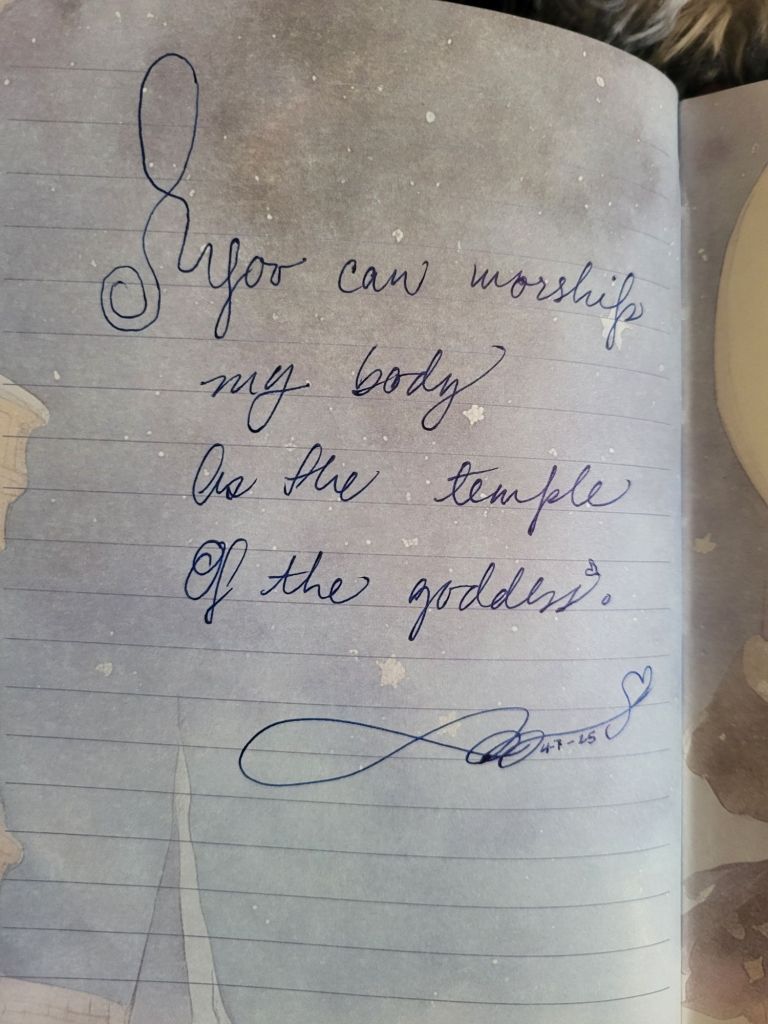
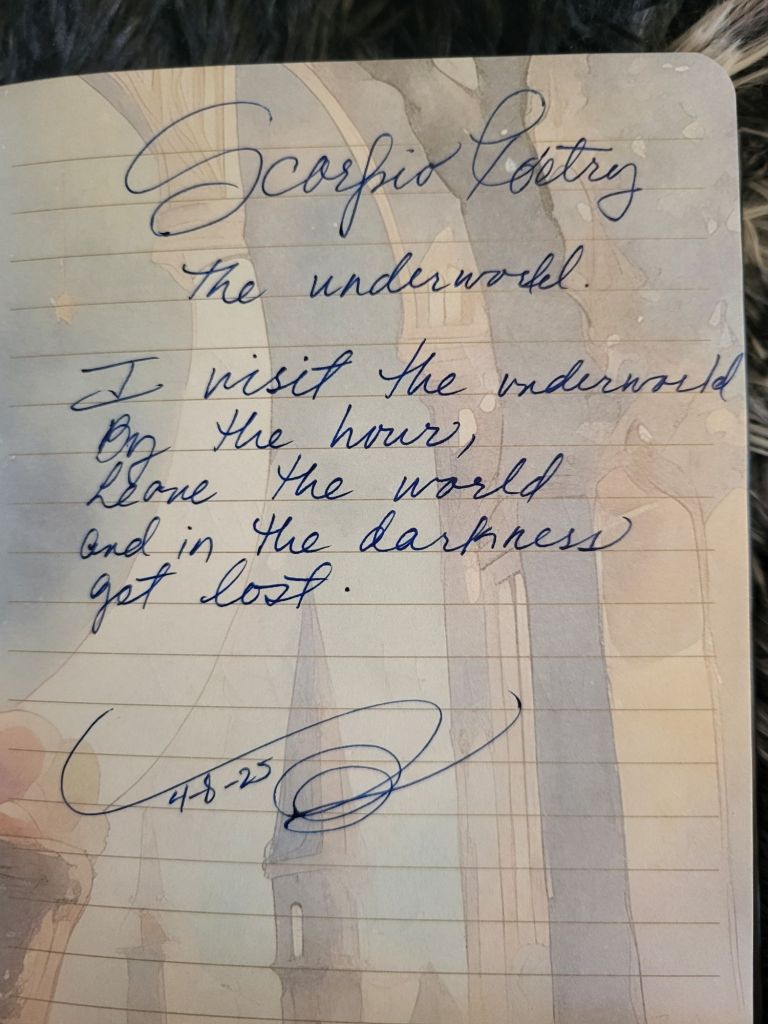
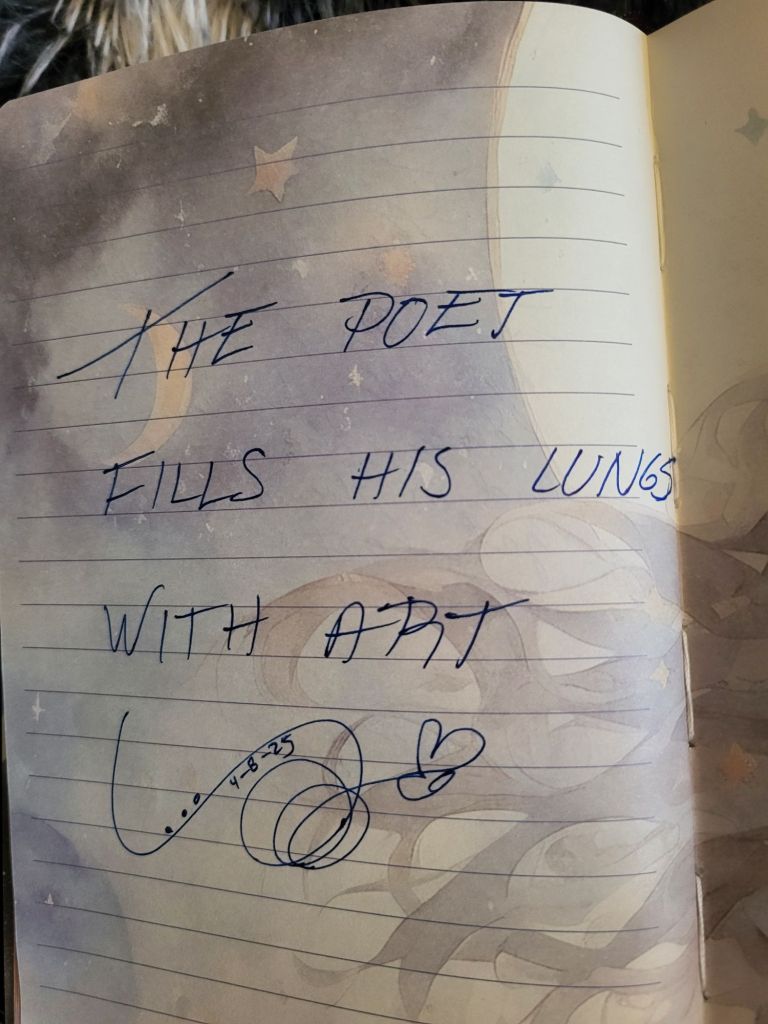
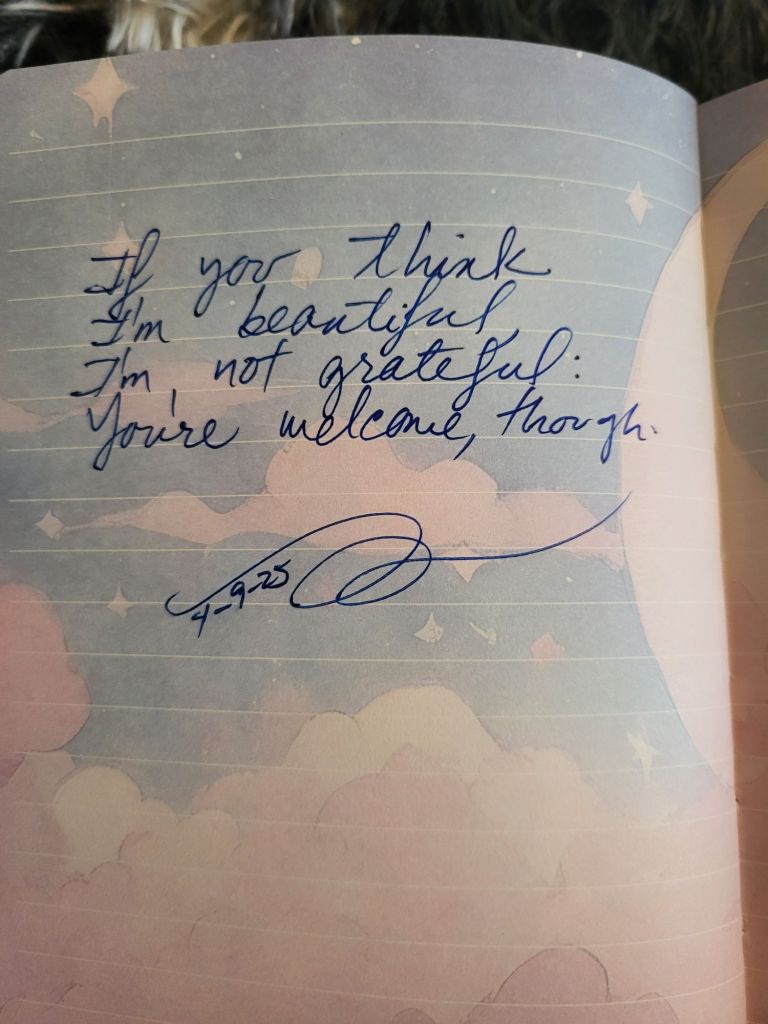
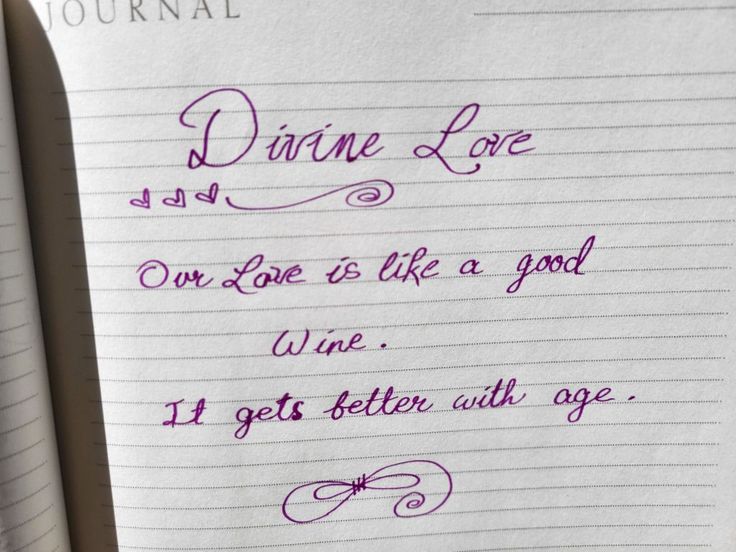
Tailpieces on my poetry journal
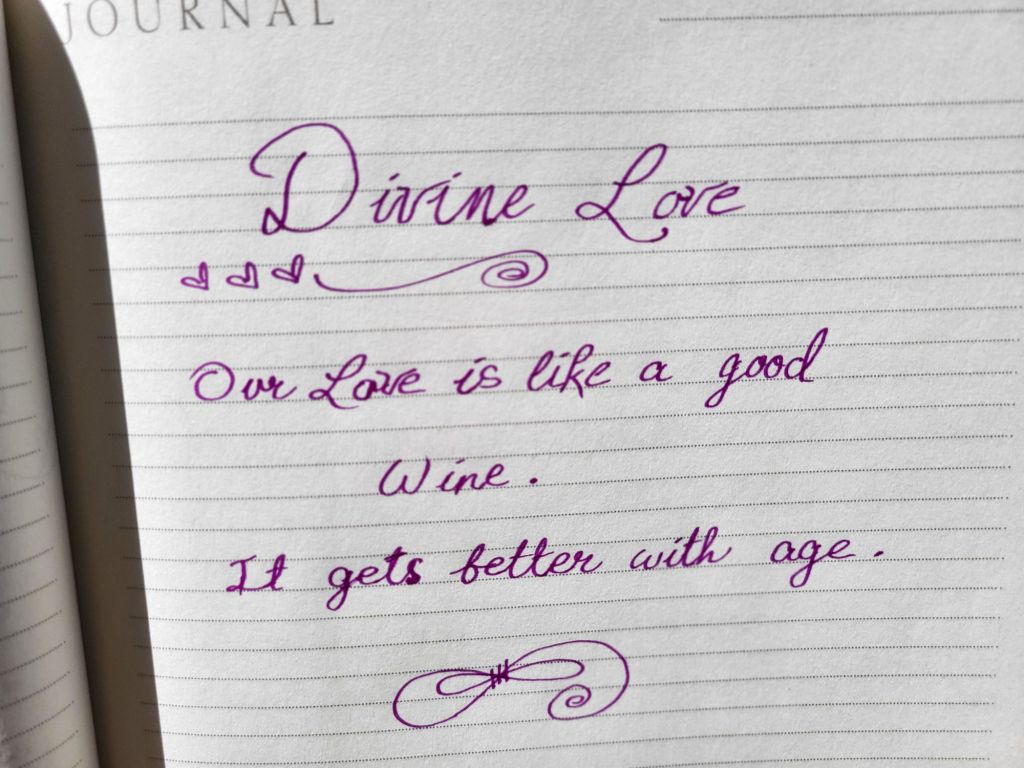
My tailpieces compliment my cursive, and I use the same flourishes. My tailpiece themes are swirls, hearts, dots, and flowers. I like to design one on the spot and don’t like to copy them. I like unique ones.
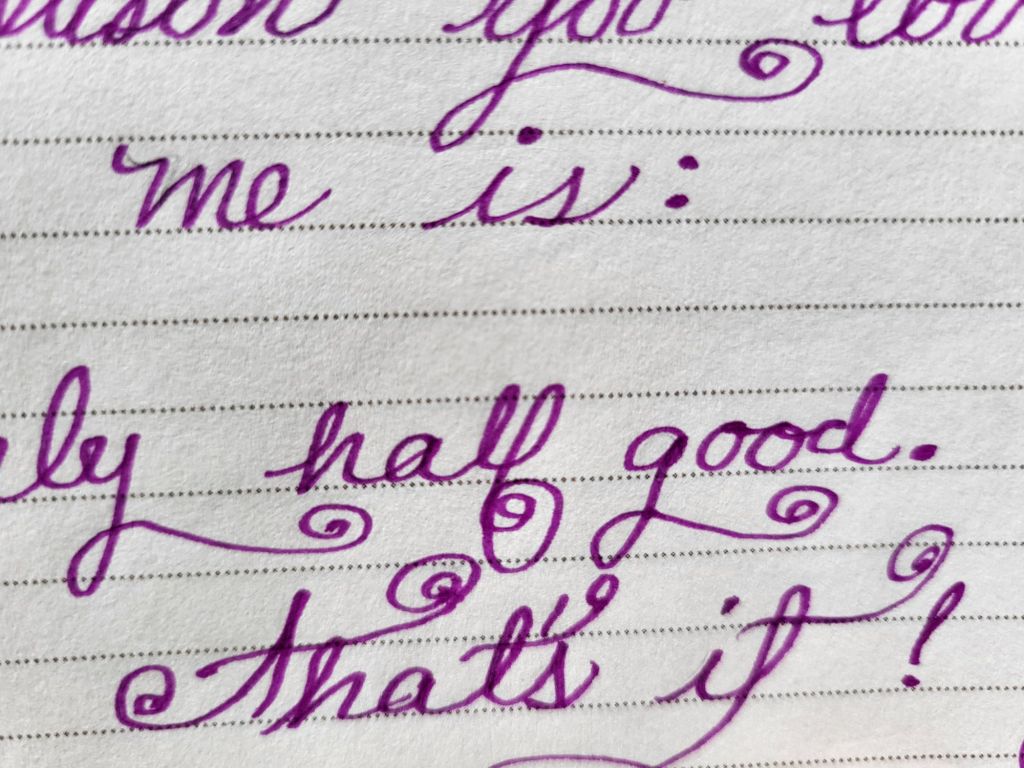
Three hearts with swirlsHeart with swirlsInfinity sign with swirlSwirls with dotsFlower with swirlsInfinity sign with swirlsA swirl with dots designAsymmetrical swirls
Digital tailpieces
I realized that since tailpieces are such a big part of my literary experience, I should use them in my blogging, ebooks, and articles, too. I am going to create a library of them. These digital ones I just created on the Sketchbook app.
Sunflower Love digital calligraphy My name as a tailpiece? Perfect idea 💡 My name heart signature is cute enough. Digital CalligraphyRose with swirlsGolden heart with swirlsSimple swirl
Poetry journal tailpieces video on my girls’ channel
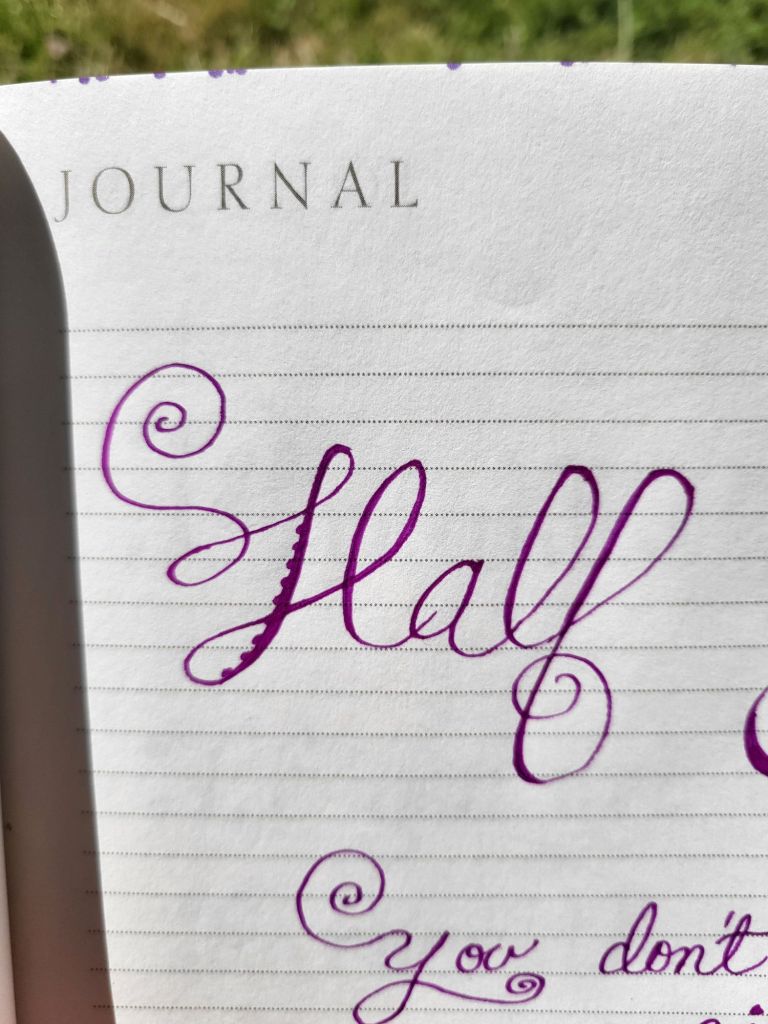
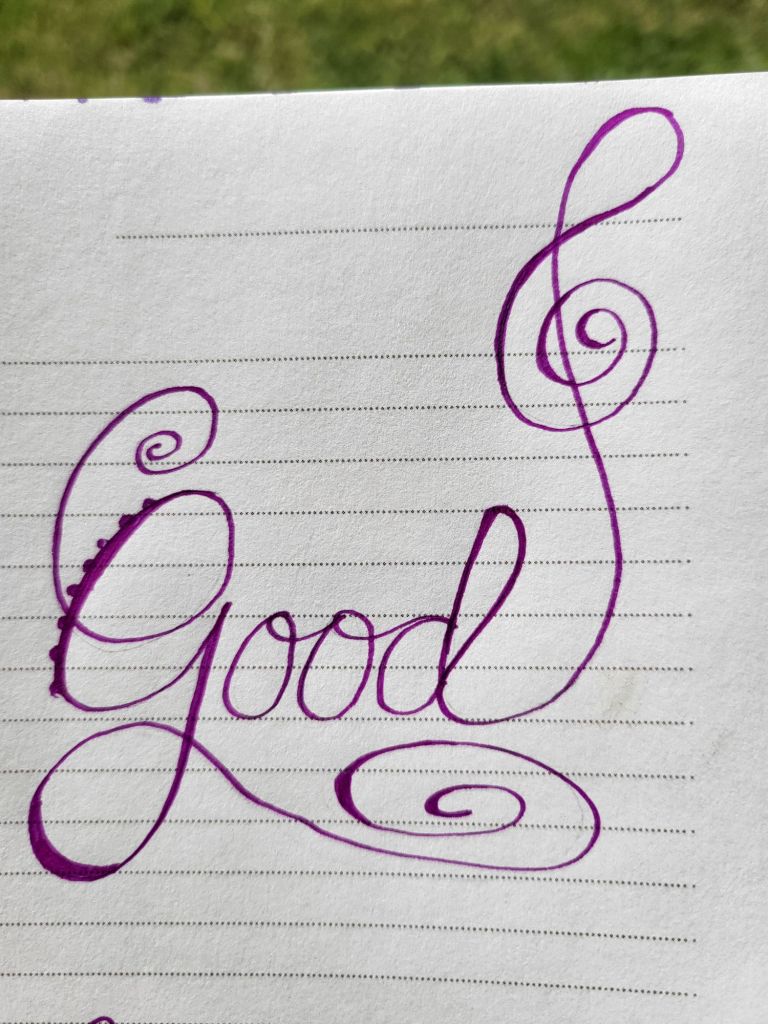
Eve’s beginner calligraphy: Poetry Journal. These Half Good words were some of my favorite 😍
I have been complaining about my calligraphy on this blog, which is unlikely.
Not because my calligraphy is excellent but because I understand that being a beginner is the learning and growth phase.
Today, I want to show you my progression in the art of calligraphy.
Notice the shakey hand of a beginner… This was my own design.
CalligraphyTips:
I got books to learn and inspire my children (my homeschooling tactic is I learn what I want my kids to learn, and as they watch me, they get motivated and choose to learn also).
We also got the right tools for calligraphy
I have been learning from the books
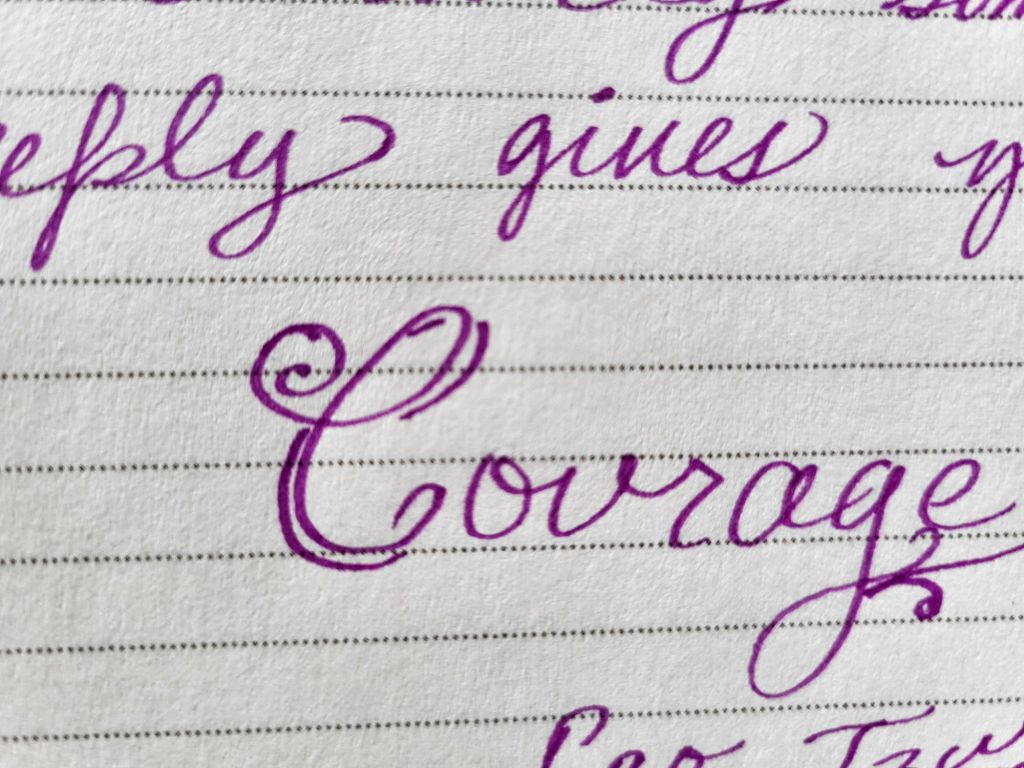
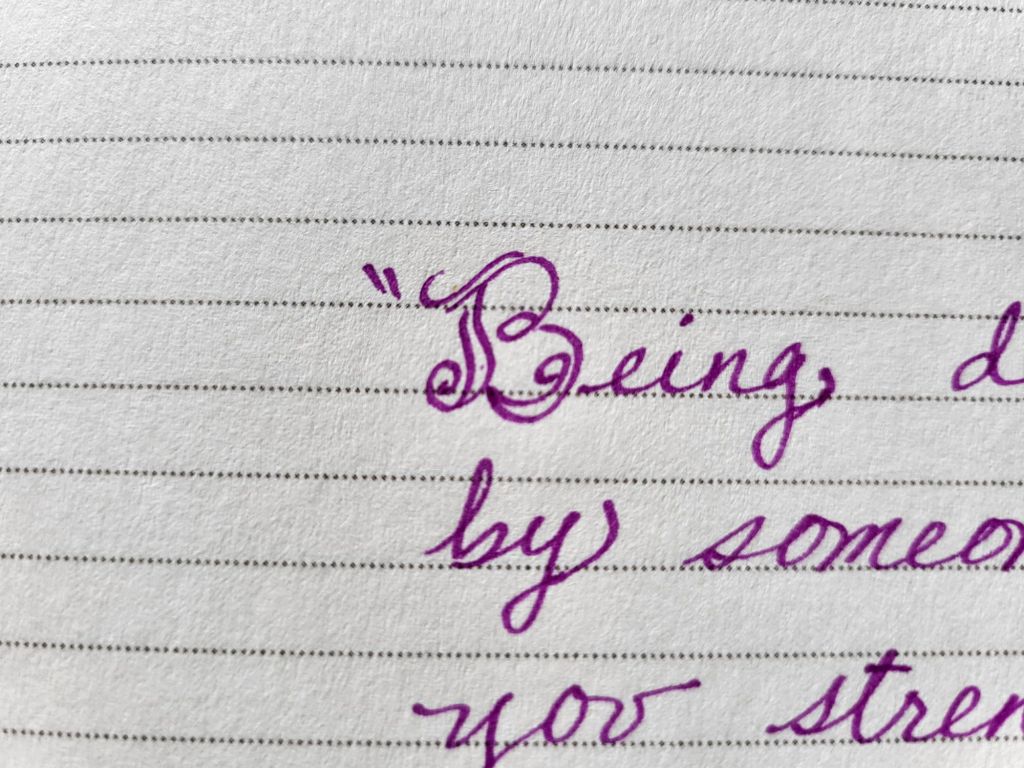
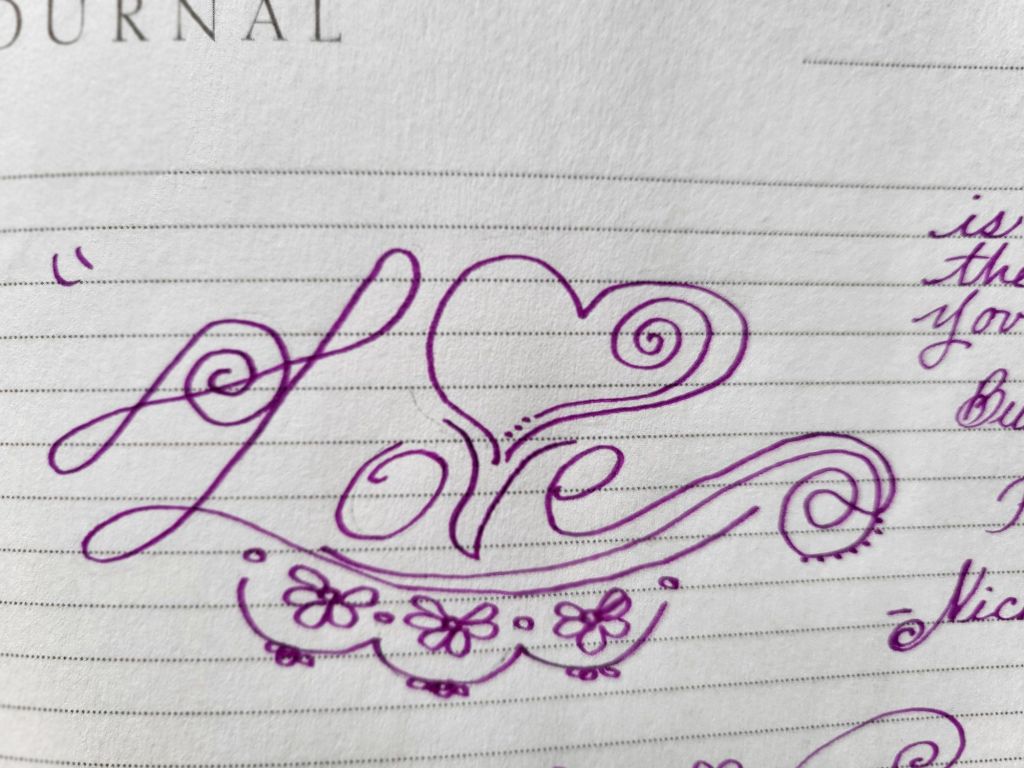
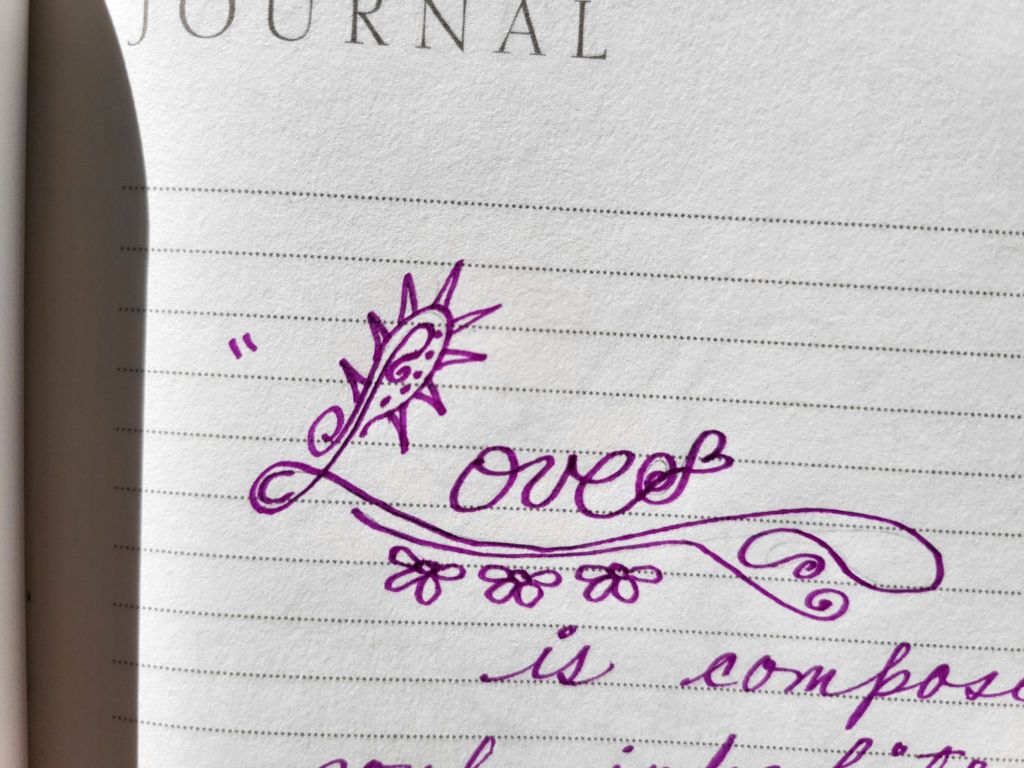
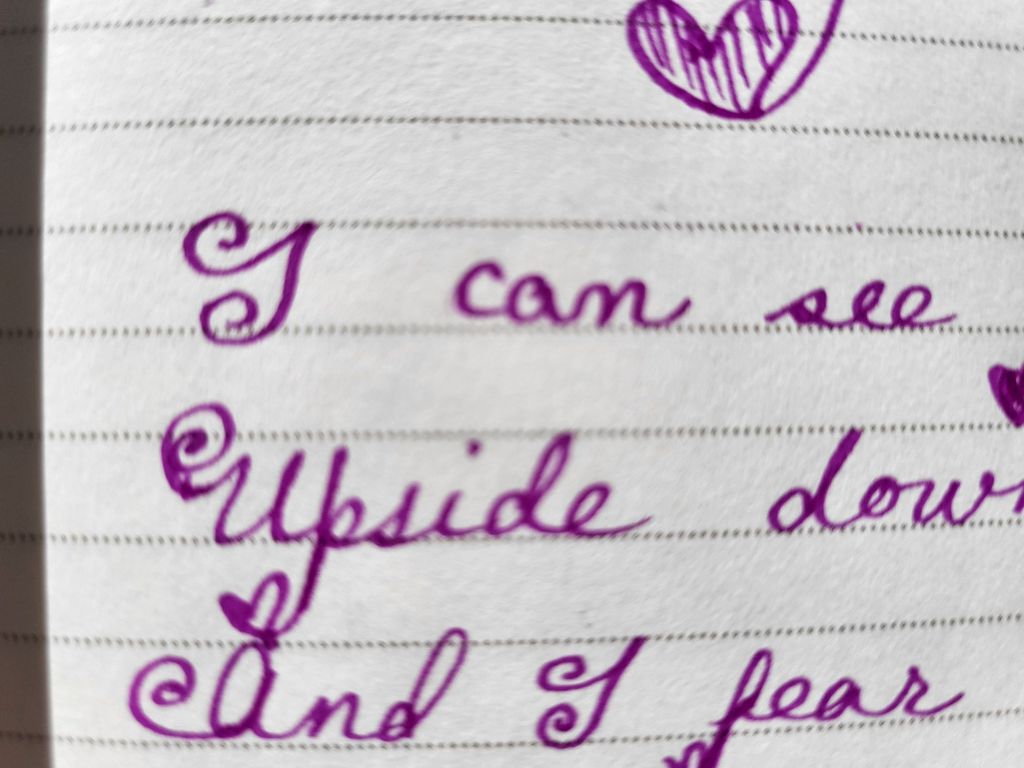
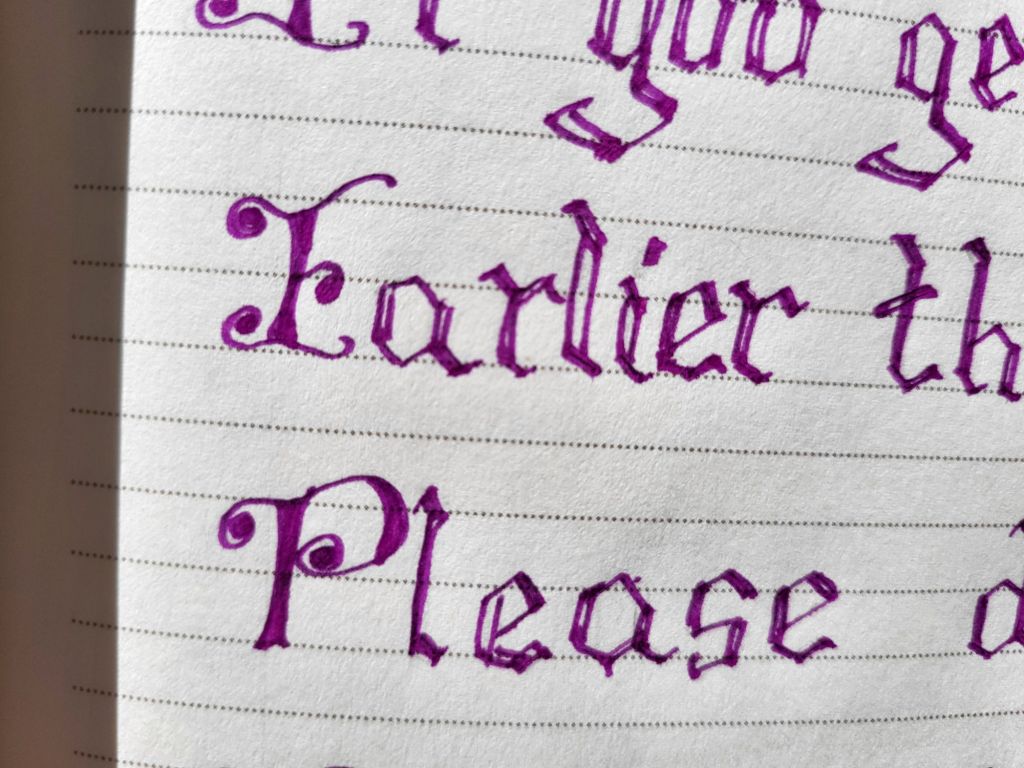
This way of writing letter C I had seen in the past but it was my first try. Learned this weekend from a book. I love the letter B! How many ways can a poet write Love? That is a post I’ll share in the future. The spiky Love was my favorite. My daughters felt it was too embellished, though I copied the calligraphy of this poem. Not my favorite, but it was great practice. Hearts letters: I have been working on my heart letters forever, and these are of my own design. My second daughter has started to draw heart letters and has started doing the lovely swirl flourishes that I have always done.The calligraphy of a poet includes heart flourishes B is one of my favorite letters First time with this style of lettering. Or was it really because I remember this style from before. I know my dad did lettering like this… Is calligraphy like meditation? At least for me it was. It was extremely healing.
Yes, this has been my eclipse gift! Thank you, universe! I’ll never forget this gift!
I’ll be showing you more of my poetry journal this week, including the poetry.
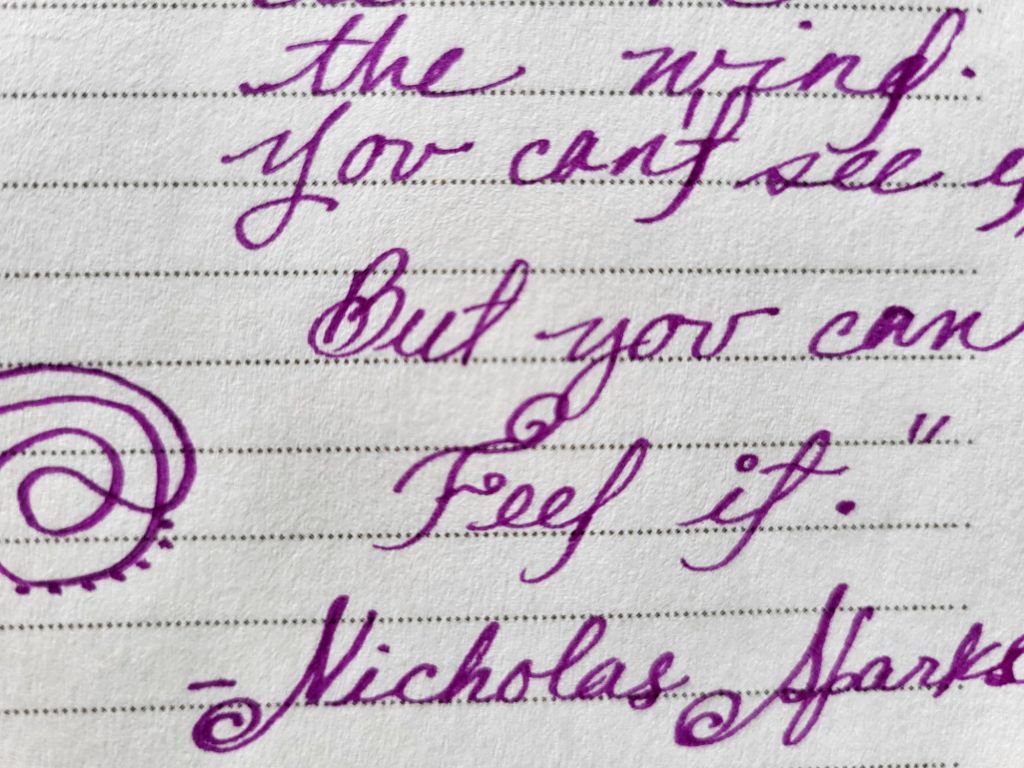
I have been working on a new poetry journal, and honestly, my perfectionism is affecting me so deeply already! I only did a small amount of work and as good as I did (I wrote several brand new poems, and my handwriting was better than ever before)… all I noticed was the mistakes I made, and noticing the mistakes made me make more mistakes! And worse, I stopped the journaling…
I was even wondering if I should discard the pages I filled out and start again. I definitely didn’t want to share my imperfect work.
Anyway, I am in search of amazing love quotes to add to my poetry journal, and I decided to share these beautiful quotes with you.
Love Quotes
“Whatever our souls are made of, his and mine are the same.“ Emily Bronte
“Love makes your soul crawl from its hiding place.” Zora Neale Hurston
“Love is composed of a single soul inhabiting two bodies.” – Aristotle







 Lovestar Temple🔥 🔥