Tag: how to celebrate Lupercalia

  • Valentine’s is over. It’s time for the Roman Lupercalia

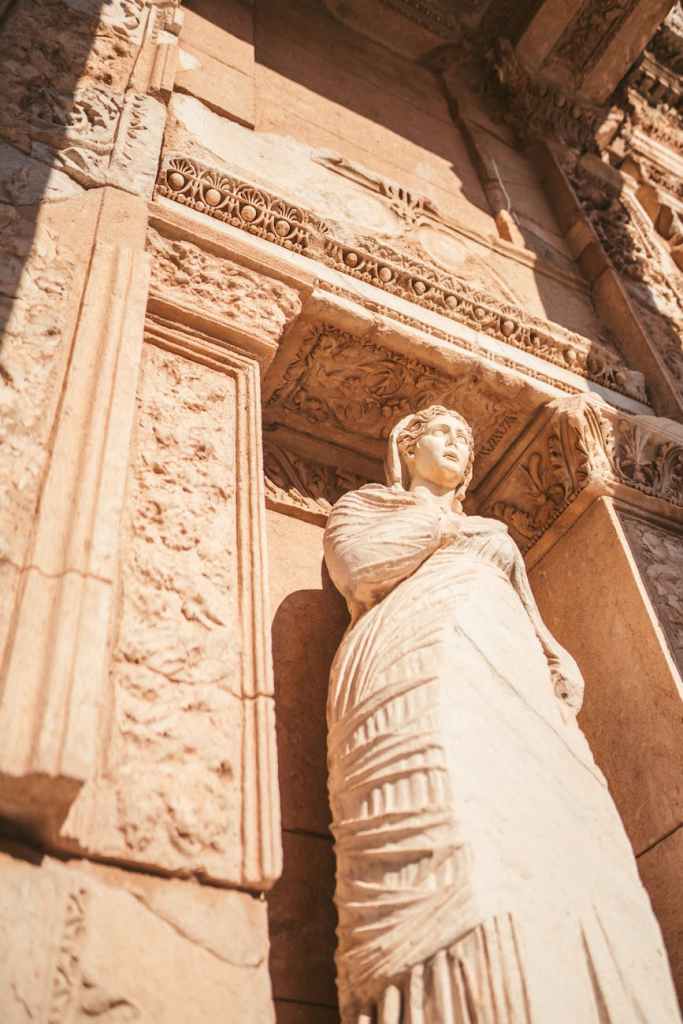
    Ancient Roman Ruin – not related to Lupercalia

    Dear Lovestar,

    Valentine’s Day has come and gone. The roses are wilting, the chocolates half-eaten, and the collective spell of romantic consumerism is fading. But for those of us who walk the older paths, the mid-February celebration of love does not end here. Its roots run far deeper, reaching back to a wild and primal Roman festival called Lupercalia.

    Unlike the polished romance of St. Valentine, Lupercalia was an untamed honoring of fertility, purification, and the sacred pulse of life itself. It belonged to Faunus, the Roman god of nature and flocks, akin to the Greek Pan, and to the She-Wolf, Lupa, who nourished Rome’s founders, Romulus and Remus.

    This was a time when people gathered not for candlelit dinners, but for ritual cleansing, ecstatic dancing, and the invocation of carnal freedom.

    While Valentine’s Day promotes coupledom and hearts wrapped in ribbons, Lupercalia celebrates the primal current of desire. Not as something to be tamed, but as a bridge between human and divine nature. It reminds us that love begins with the body, with its instincts, needs, and vitality. Sacred eros is not shameful. It is regenerative.

    The Return to the Wild Heart

    For the priestesses and seekers walking the Goddess path today, Lupercalia beckons us to reclaim the wildness that society often softens beneath romantic ideals. This is not a call to chaos, but to balance. A remembering that true love and sacred union thrive when the wild and the holy are allowed to coexist.

    Consider marking this season with a small ritual of liberation.

    Burn a note releasing old attachments or expectations around love.
    Dance to awaken your sensual power and reconnect with your inner Lupa.
    Offer honey, wine, or rose petals to the Goddess in thanks for the passion and vitality that live within you.

    As you do, notice how the energy shifts. From longing into empowerment. From external validation into self-devotion.

    This is the essence of Lupercalia. Purification through celebration. Alchemy through embodiment. Union through freedom.

    As we step out of Valentine’s shadow and back into the sacred wild, remember that love is not just a sentiment. It is a living current that pulses through the body, the earth, and the ancient heart within us.


    Thank you for reading,

    To learn more about my Lupercalia research, visit me on Patreon:

    http://patreon.com/hertemple

    Thank you for reading,

    Eve

  • Lupercalia – How to Celebrate for twin flames and sex magicians

    Lupercalia card for my lover

    Lupercalia: The Ancient Celebration of Fertility and Passion

    Lupercalia, celebrated annually on February 15, was one of ancient Rome’s oldest festivals, dedicated to fertility, purification, and protection. It honored Lupa, the she-wolf who nursed Romulus and Remus, Rome’s legendary founders, and the god Faunus (associated with the Greek Pan), a protector of shepherds and nature.

    The Rituals of Lupercalia
    The festivities began in the Lupercal cave, where priests called Luperci sacrificed goats and a dog—symbols of purification and vitality. They then smeared the blood on their foreheads and wiped it clean with milk-soaked wool. In a symbolic act of fertility, the Luperci ran through the streets, gently striking onlookers (especially women) with goat-hide strips, which was believed to bestow fertility and ease childbirth.

    Twin Flame Connections and Lupercalia’s Themes
    For those on a twin flame journey, Lupercalia resonates deeply with its themes of passion, union, and rebirth. Just as twin flames undergo cycles of separation and reunion, this ancient celebration acknowledged both the wild, primal nature of love and its transformative power. The striking of women with goat hides could be seen as symbolic of breaking down barriers and purifying past wounds to make space for new growth—parallels that reflect the twin flame experience.

    Lupercalia and Valentine’s Day: A Pagan Legacy?
    Many believe Valentine’s Day has roots in Lupercalia due to their shared themes of love and fertility. By the 5th century, Pope Gelasius I abolished Lupercalia, transforming it into a Christian feast day honoring St. Valentine, a martyr associated with secret marriages. Over time, the celebration evolved into the romantic holiday we know today, blending pagan fertility customs with Christian ideals of love and devotion.

    For twin flames, understanding the history of Lupercalia can offer profound insights into the dual nature of love: raw and untamed, yet deeply sacred and healing—a perfect reflection of the twin flame journey.

    I convinced my partner to celebrate Lupercalia with me.

    Since it’s an ancient Roman celebration, I’m going to celebrate with my goddess Venus as I’m certain she was a part of the celebration.

    I’m going to wear red to symbolize the blood.

    I’m going to write him a love note since I read it was done at Lupercalia.

    While writing this, I got a genius idea. At Lupercalia, couples would unite for a year, while some of these couples would continue to be a couple, some would only last the year, and this included intimacy.

    I’m going to make a one year promise to him. It’ll be hilarious šŸ˜‚ I’m going to write this in my love note.

    And I’m not sure I’ll tell you everything else I’m going to do because it’ll be between my lover, Scorpio, Venus, and I.

    Happy Lupercalia

    Eve