Tag: goddess energy

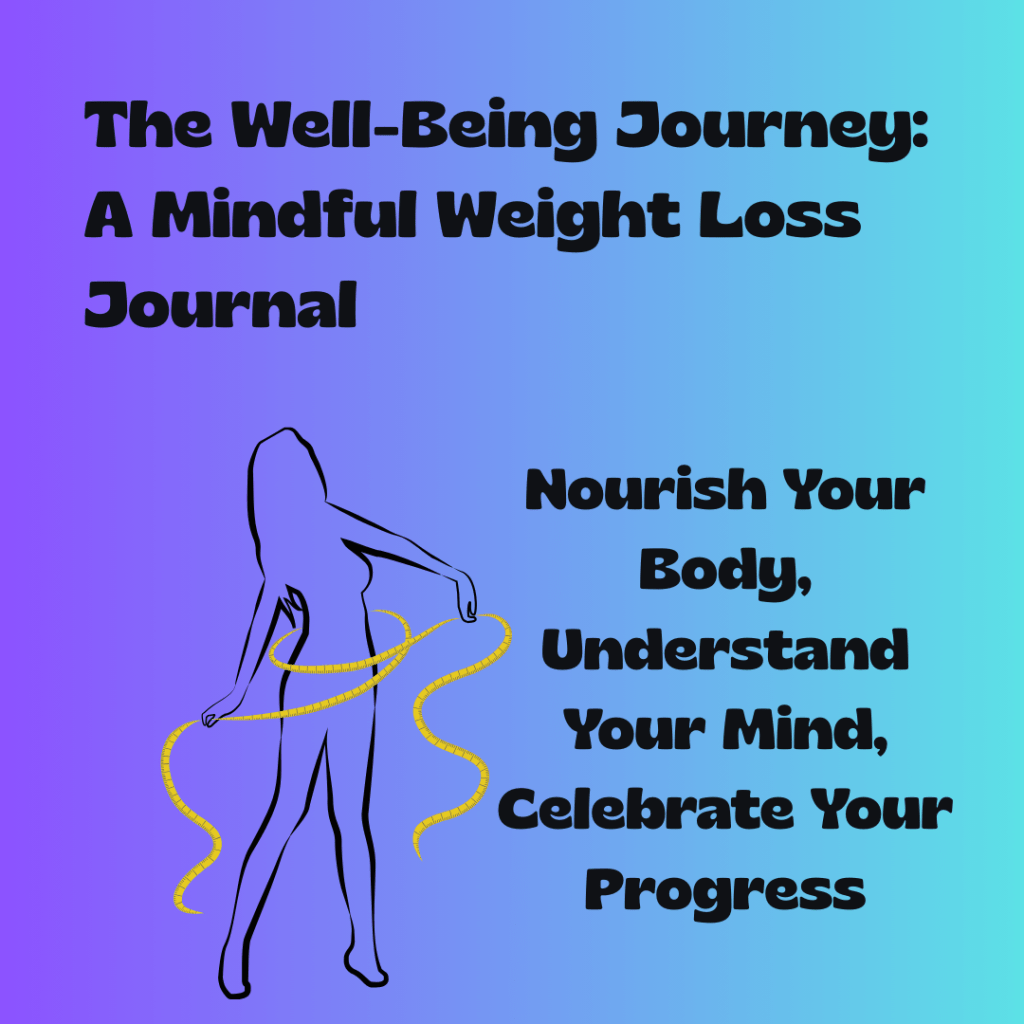
  • The Well-Being Journey: A Mindful Weight Loss Journal Nourish Your Body, Understand Your Mind, Celebrate Your Progress – Payhip

    Dear Lovestar,

    I created this journal for a friend who was interested in starting a shop to sell it, then she decided the shop owner life was not for her and gifted me her project.

    I would not have created something like this myself, so I am giving this journal to you for free. Download available on my new shop on Payhip.

    The Well-Being Journey: A Mindful Weight Loss Journal Nourish Your Body, Understand Your Mind, Celebrate Your Progress – Payhip

    https://payhip.com/b/0MCBJ

    Download today and give me some feedback to make it even better.

    Transform your weight loss journey into a celebration of well-being with this mindful printable journal. Instead of obsessing over numbers, this journal helps you connect with your body, track non-scale victories, and cultivate sustainable habits.

    I pray you find use in this free offer.

    Thank you for reading,

    Eve

  • The Poetess

    Dear Lovestar,

    Welcome the poetess into our space today. She has something important to say.

    Poetess is one of my favorite words in English. I am the poetess because I create with my feminine energy.

    The Poetess

    Ode to Sappho, ancient poetess

    I created a free eBook to honor the greatest poetess in all of history. Download the free PDF through this link:

    https://payhip.com/b/6Tjxz

    I was offended that autocorrect changed poetess to some other word. 
    screenshot_20240913_202909_miraquill15934069622564365

    The Word “Poetess”: A Forgotten Gem in Language and Why It Deserves a Revival

    The word “poetess” evokes a sense of beauty, grace, and history, conjuring images of women who shaped poetry through the ages. While this term was once used to describe a female poet, it has largely fallen out of fashion in modern times. As we explore the ancient roots of this word, why it faded from use, and why it still holds a unique allure, we uncover a rich narrative of gender, art, and language.

    Ancient History of “Poetess”\

    Ode to Sappho, ancient poetess

    I created a free eBook to honor the greatest poetess in all of history. Download the free PDF through this link:

    https://payhip.com/b/6Tjxz

    The word “poetess” can be traced back to ancient Greece and Rome, where poetry was a revered art form. Female poets were rare but highly respected, such as the famous Sappho of Lesbos, often regarded as one of the greatest lyric poets of antiquity.

    The term itself began to gain prominence in English in the 16th and 17th centuries, as poetry became a significant part of European courtly life. Many women who expressed themselves through verse were given the title of “poetess,” a label that both honored their craft and subtly highlighted their gender. It acknowledged their talent while placing them in a separate category from male poets.

    Why “Poetess” Fell Out of Use

    By the 19th and 20th centuries, the word “poetess” began to carry a different weight. It became associated with a certain patronizing tone, as if female poets were less serious or skilled than their male counterparts. This shift was partly due to the changing social dynamics of the time—women were entering the literary world in greater numbers, and they sought to be recognized simply as “poets,” without the added layer of gender distinction.

    The feminist movements of the 20th century further propelled this change. Many women rejected the term “poetess” as it seemed to reinforce a division between male and female creativity, implying that women’s poetry was somehow different or secondary. As equality became the goal, the neutral term “poet” was adopted by women and men alike, with “poetess” seen as outdated and unnecessary.

    Why “Poetess” is Beautiful

    Though the word “poetess” is seldom used today, it retains a certain beauty and elegance. Its very sound is melodic. More than that, “poetess” carries with it a sense of history, reminding us of the many women who wrote under difficult circumstances, sometimes with little recognition.

    The term honors the feminine energy in poetry, which can be nurturing, passionate, intuitive, and fierce. While “poet” is a gender-neutral term that promotes equality, “poetess” offers a nod to the powerful, unique voice of women who have shaped the poetic landscape. It doesn’t diminish their work but instead celebrates the essence of femininity within the craft.

    In a world where we often seek to blur distinctions in pursuit of equality, there’s something special about words that acknowledge the feminine presence without devaluing it. “Poetess” is one such word—a celebration of both poetry and womanhood, a reminder that there is beauty in difference, not inferiority.

    A Call for Revival

    Reclaiming the word “poetess” doesn’t mean we return to an era of gendered titles. Instead, it’s a way to celebrate the legacy of women poets throughout history. It reminds us that art, like language, evolves, and there’s power in acknowledging the past while embracing the future.

    Using “poetess” today can be a statement of pride, a nod to the creative feminine spirit that has shaped much of our literary history. It is a word that holds layers of meaning—strength, elegance, artistry—inviting us to remember the women who paved the way in poetry.

    In the end, the word “poetess” is not obsolete but rather a forgotten gem, one that can still shine brightly when used with reverence and understanding.

    Ode to Sappho, ancient poetess

    I created a free eBook to honor the greatest poetess in all of history. Download the free PDF through this link:

    https://payhip.com/b/6Tjxz

    With Love,

    Eve

  • Venus Day and a Feminine Blessing: Friday the 13th

    Venus Day and a Feminine Blessing: Friday the 13th

    Dear Lovestar

    Follow me on X where many of my poems go live first

    Celebrating Venus Day: Embracing the Ancient Goddess on Friday the 13th

    In ancient times, Friday the 13th was not the harbinger of misfortune that it is often considered today. Instead, it was a day imbued with positive significance, particularly in the context of Venus, the ancient goddess of love, beauty, and fertility. This day offers a unique opportunity to connect with the divine feminine and celebrate Venus’s enduring influence.

    Ok, I have to find an actual connection between Friday the 13th and Venus, in ancient times Friday was Venus’s day. Venus as Aphrodite is one if the most ancient deities and this day was celebrated as the goddess day. So I’m observing it as Venus day on steroids.

    Ancient Lore and Venus

    Venus, known as Aphrodite in Greek mythology, was revered across ancient cultures. She was celebrated not only for her associations with love and beauty but also for her role as a symbol of prosperity and harmony. The number 13, often seen as unlucky in modern times, had positive connotations in pre-patriarchal societies. It was associated with the lunar cycle and feminine energy, reflecting the cycles of life and nature.

    In Roman times, Venus had numerous festivals, including the Veneralia, held on April 1st, and the Venerealia, dedicated to her worship. The goddess was also honored in various rites connected to love and fertility, celebrating the life-giving forces she represented.

    Modern Celebrations of Venus Day

    Today, Friday the 13th can be a powerful day for modern spiritual women (and anyone else) to reconnect with Venus and celebrate her essence. Here are some ways to honor this ancient goddess and integrate her influence into contemporary spiritual practices:

    1. Rituals of Love and Beauty:
    • Create a Venus Altar: Set up a small altar with symbols associated with Venus such as roses, seashells, mirrors, and candles. Use these items to create a space that reflects beauty and harmony.
    • Offerings: Prepare offerings of flowers, honey, or sweet treats as symbols of abundance and love. These can be placed on your altar or shared with loved ones as an act of kindness.
    1. Meditation and Reflection:
    • Venus Meditation: Engage in a meditation focused on self-love and empowerment. Visualize Venus’s energy surrounding you, fostering a sense of beauty and confidence.
    • Journaling: Reflect on your personal connections to love and beauty. Write about how Venus’s attributes influence your life and how you can embody them more fully.
    1. Celebratory Activities:
    • Host a Gathering: Organize a gathering with friends or fellow spiritual practitioners to celebrate Venus Day. Share poetry, art, and stories that resonate with Venus’s themes.
    • Dance and Music: Venus was often associated with celebration and joy. Dance or listen to music that uplifts and connects you to the goddess’s energy.
    1. Embrace Feminine Wisdom:
    • Craft and Create: Engage in creative activities such as crafting, painting, or writing that allow you to express the divine feminine energy. Venus’s influence can inspire creativity and self-expression.
    • Learn and Share: Study the ancient lore of Venus and share your knowledge with others. Understanding the historical context can deepen your appreciation and connection to the goddess.

    Embracing the Spirit of Venus

    By celebrating Venus Day on Friday the 13th, modern spiritual women can reclaim the day’s ancient significance and embrace the goddess’s attributes in their daily lives. This celebration is an opportunity to honor the divine feminine, nurture self-love, and connect with the enduring legacy of Venus’s beauty and power.

    Whether through ritual, meditation, or creative expression, let Venus’s spirit guide you in celebrating love and beauty, and find joy in reconnecting with this timeless deity.


    Please comment with ideas or your wisdom on the topic,