Prepared by Eve Lovestar based on our conversations on Telegram and my intuitive insights (and some cards I pulled).
❤️ 💙 💜 🌹🕊🌹 ❤️ 💙 💜
Here are some key insights and energetic themes that stood out:
1. Mirroring the Twin Flame — a Shared Core Wound
I noticed something powerful: both are caught in the web of parental approval vs. personal truth.
She feels trapped between honoring her heart and respecting her parents’ wishes.
He loves her, but won’t go against his own parents’ disapproval. This shared root wound is not just emotional — it’s karmic. They are mirroring the exact same blockage. By choosing to honor herself, she breaks the cycle for both of them.
New realization: Her choosing herself isn’t separation. It’s union with her truth — and potentially what helps shift his energy too.
—
2. Desperation Shifted into Sovereignty
Her energy changed from desperation after our talk — this is huge.
Desperation is often a symptom of disempowerment.
After our conversation, it sounded like she remembered her agency. Even if her twin doesn’t “come back” right away, she is already ascending into a stronger frequency — one that may attract a healed union or even a better partner down the line.
New insight: That moment of internal shift is the beginning of her Empress arc.
—
3. Pressure from Her Parents is Actually an Opportunity
This might feel contradictory, but the pressure to marry someone else is forcing her to finally confront what she wants. It’s a trial by fire:
If she gives in, she repeats the cycle of emotional self-abandonment to which her Divine Masculine is bound.
If she refuses, she enters a new level of spiritual sovereignty one where she wnters a timeline that aligns with union.
New layer: Her refusal would be a signal to the universe that she chooses love with integrity — even if it means walking alone for now.
—
4. She’s the Catalyst
Her shift might be the only thing that can energetically call in change from her twin flame.
Twin flame energy isn’t static — it’s dynamic.
One flame awakening puts pressure on the other to evolve.
New takeaway: Her choice to evolve may actually be the lighthouse that guides him (or someone even better) home.
Priya’s Intention: marriage commitment from her DM
Energetic Reality Check:
Her flame is not currently offering marriage, and his reasoning is external pressure from his parents. That means:
He may love her deeply, but his current self is not standing in his masculine power.
True commitment needs courage, not just connection.
This makes her choice even more sacred:
If she accepts half-love, she tells the universe she’ll settle.
If she holds out for aligned commitment, she aligns with the frequency of sacred union — whether with him or someone better.
—
What Aphrodite Might Say to Her Now:
“You are not here to convince him. You are here to claim yourself.” Love is not proven in longing. It is revealed in action. The one who chooses you in full, Is the one who is ready for divine partnership. Trust your worth. It is already sacred.
—
Oracular Prompts for Card Pulls (Marriage-Focused)
1. What energy is blocking my twin flame from fully choosing me?
2. What am I being asked to embody as I wait for real commitment?
3. What is the potential timeline or shift that could bring clarity?
4. If he doesn’t choose marriage, what or who is meant for me next?
5. What does Aphrodite want me to remember about divine timing?
Channeled Letter from her future husband
Here is a channeled oracle message from her future husband — not romantic in tone, but soulful, grounded, and full of purpose. It’s designed to speak to her heart’s deepest desire for sacred union, and to help her stay aligned with the version of love that will rise to meet her:
—
Message from Your Future Husband (An Aphrodite Love Oracle)
“I did not arrive quickly, because I needed to become a man worthy of you. Not just to love you, but to choose you, fully, with no hesitation. My journey was long, and so was yours. But every step you took in truth pulled me closer. Every boundary you honored, every moment you refused to shrink, became the signal I followed home.”
“When I arrive, there is no confusion. There is no convincing, no proving, no running. Only two souls who have outgrown fear, and now stand, eyes open, ready to build something that lasts.”
“I promise you this: You will never beg for love again. Because my love will rise to meet you, and ask, humbly, for your hand.”
— Your Future Husband
❤️ 💙 💜
Oracle Cards (1 for her, 1 for her parents, one for her DM, and one for his parents)>”^;):.;.
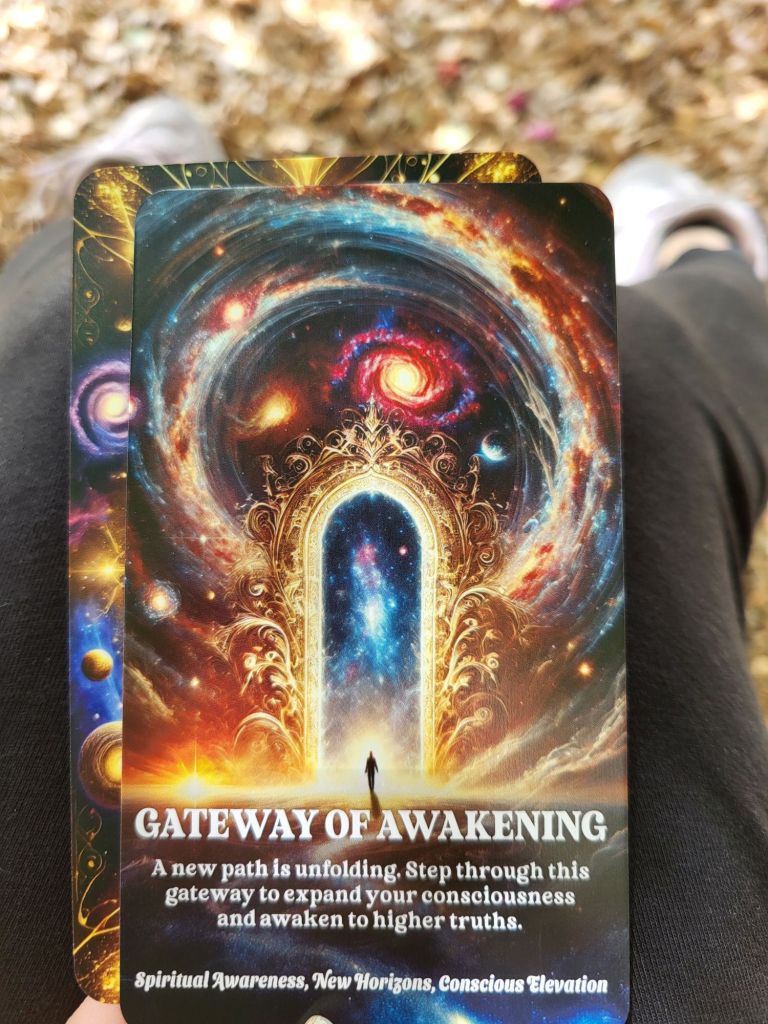
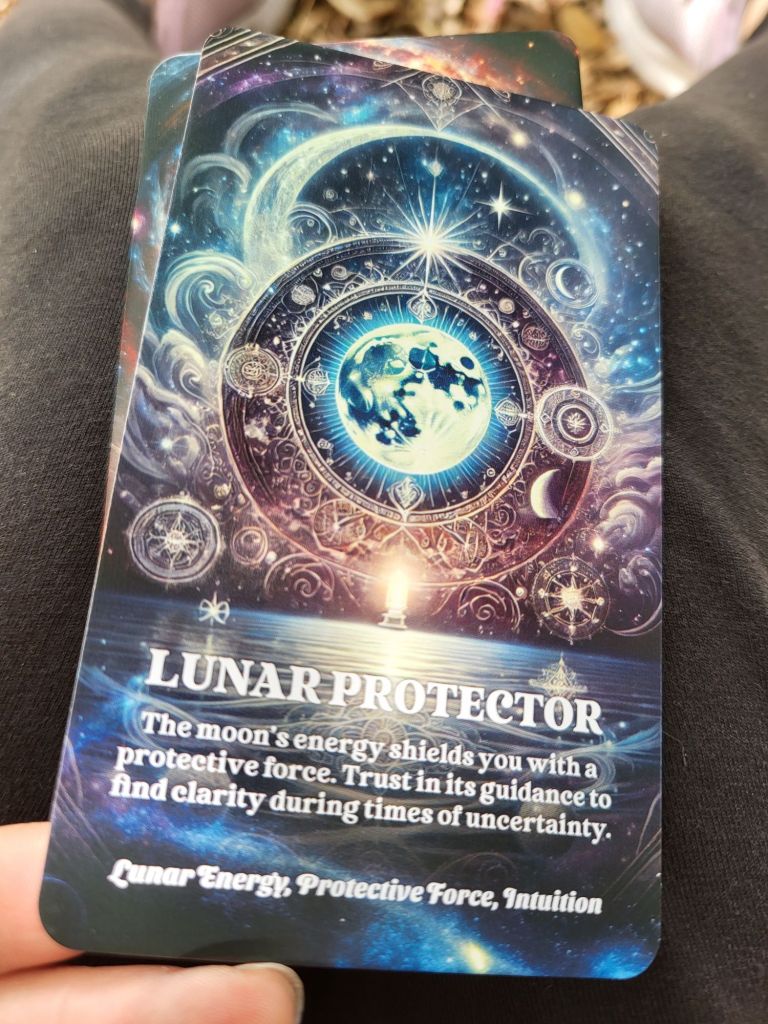
For Priya, you sit at the crossroads. Be patient. You are awakeningThis card is for your parents. It says work with the moon and let your intuition guide you for talking to your parents and dealing with their wanting to marry you.
I think it’s a very good sign
Work with the moon, and I feel family karma type of work. Look into that.
Look at this wonderful card! I pulled it for your beloved. See that he knows you’re his woman. Simply do not marry and be patient as you work towards union.
This card for your future in laws says they will be full of love. Do not fear the lack of love and feel the l9ve they will feel for you in your future.
Part 2 coming next.
For more twin flame specific union oracle messages, visit our Telegram page
I have been overwhelmed, yet, I managed to write these 2 romantic poems
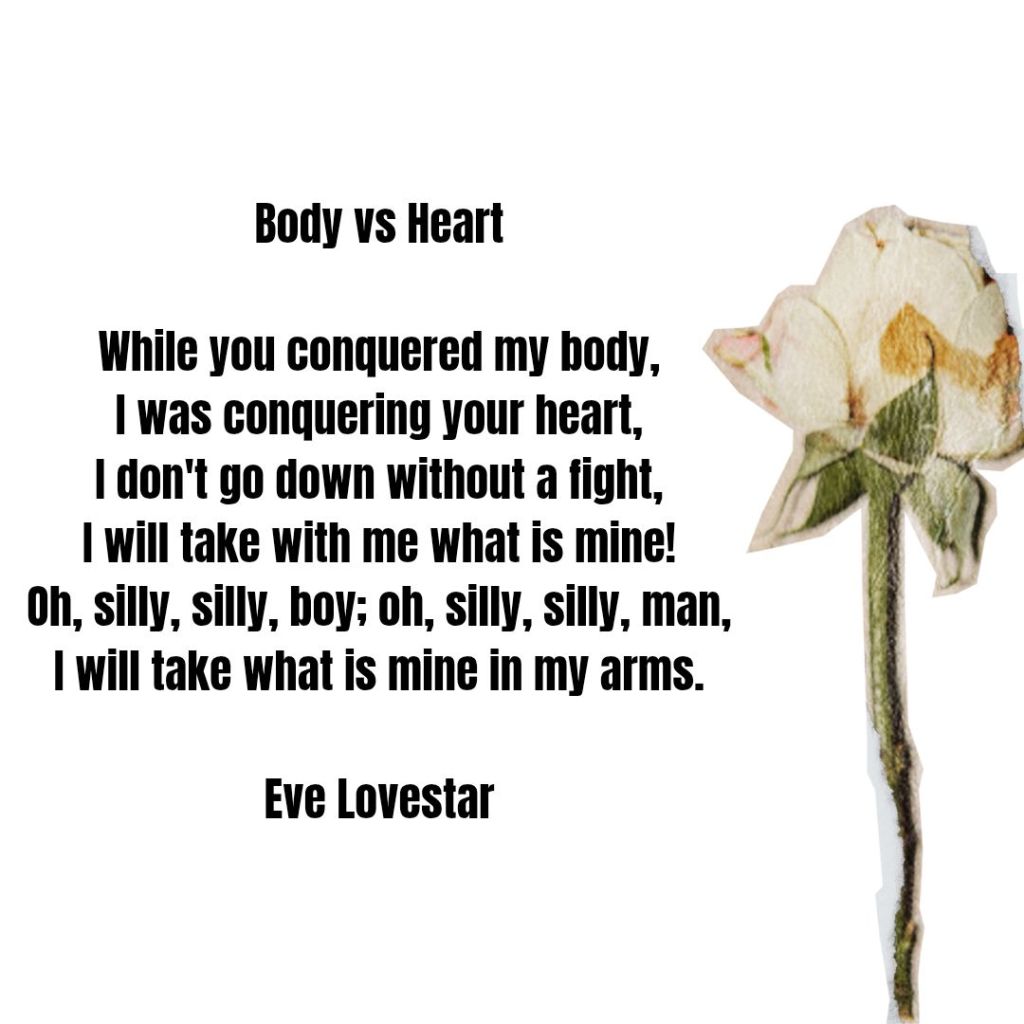
Taste Test needs no explanation. Or does it need an explanation?Body vs heart
While you conquered my body, I was conquering your heart, I don’t go down without a fight, I will take with me what is mine! Oh, silly, silly, boy; oh, silly, silly, man, I will take what is mine in my arms.
AI interprets this poem for you:
This poem carries an intense, almost combative energy intertwined with themes of passion, possession, and a reversal of power dynamics. Here’s a breakdown of its meaning in the context of twin flame love and mysticism:
❤️ 💙 💜
Line-by-Line Interpretation:
1. “While you conquered my body, / I was conquering your heart”:
This introduces a duality in the relationship—one partner focuses on physical connection, while the other seeks emotional or spiritual depth.
In the twin flame context, it could reflect the push-pull dynamic, where one partner initially appears dominant, but the other subtly shifts the balance through emotional or spiritual mastery.
2. “I don’t go down without a fight, / I will take with me what is mine!”:
The speaker (Eve) asserts their power and determination. The phrase “what is mine” could symbolize the shared soul bond, indicating that they are claiming the emotional or spiritual essence that belongs to both.
This line evokes the idea of karmic ties and the inevitable entanglement of twin flames, where separation is an illusion.
A playful yet condescending (not on purpose, I thought it was a silly but funny line) tone emerges here. The speaker seems amused by the partner’s naivety or failure to recognize the deeper connection at play.
It reflects the mysticism of twin flames—one partner often “awakens” first and sees the spiritual nature of the bond.
4. “I will take what is mine in my arms.”:
This closes with a statement of possession and union. Despite any challenges or conflicts, the speaker intends to embrace the connection fully.
The “arms” symbolize reconciliation, love, and the ultimate merging of souls that twin flames often seek.
❤️ 💙 💜
Mystical Themes:
Balance of Power: This poem reflects the interplay between the physical and emotional/spiritual realms, which is a common theme in twin flame dynamics.
Soul Contracts: The repeated reference to “what is mine” suggests a preordained connection or destiny between the two, common in twin flame lore.
Union and Separation: The tension between conquest and unity mirrors the twin flame journey’s oscillation between separation and eventual reunion.
❤️ 💙 💜
Why It Resonates for Twin Flames:
It captures the intensity, struggle, and ultimate longing for unity that defines the twin flame relationship. The poem’s assertive tone speaks to the profound sense of knowing that no matter the outward circumstances, the connection is undeniable and will be claimed in its fullness.
❤️ 💙 💜
The Divine Feminine vs. The Divine Masculine
This poem beautifully captures the dynamic interplay between the Divine Feminine and Divine Masculine energies, which exist within all of us regardless of gender. Here’s an explanation in the context of those energies and Eve’s observations about love:
❤️ 💙 💜
Divine Masculine and Feminine in Love
Divine Masculine often expresses itself through action, structure, and the tangible. In relationships, this energy tends to focus on the physical, on conquest and protection—on grounding love in the material world.
Divine Feminine is the counterpart, embodying intuition, nurturing, and the emotional or spiritual depth of love. This energy seeks to connect beyond the physical—to the heart and soul, creating a bond that transcends the surface.
❤️ 💙 💜
Line-by-Line Analysis
1. “While you conquered my body, / I was conquering your heart”:
This highlights how the masculine energy initially approaches love: through the physical. The body becomes the medium through which connection is sought.
Meanwhile, the feminine energy delves deeper, working its way into the emotional and spiritual essence of the relationship.
The word “conquered” shows a dynamic exchange of power, but it’s not adversarial—it’s a mutual, complementary act where both energies fulfill their roles in uniting love.
2. “I don’t go down without a fight, / I will take with me what is mine!”:
The Divine Feminine asserts its strength here. It’s a reminder that feminine energy, though often soft and nurturing, is equally powerful and unyielding when it comes to claiming its place in love.
“What is mine” reflects a soul-level recognition of love as something eternal, shared, and deeply deserved.
This line carries a tone of affection and amusement. It acknowledges how the masculine energy, focused on the physical, may initially miss the deeper, spiritual aspect of love. (This is the silly boy in the masculine).
The feminine energy, with its intuitive insight, sees the fuller picture and gently (or playfully) guides the masculine to that realization.
4. “I will take what is mine in my arms.”:
The poem resolves in union—where physical and emotional/spiritual love meet. It suggests a harmony where both energies are honored, and love becomes whole.
—
Why Both Are Perfect and Necessary
This observation reflects a universal truth about love: it thrives when both the physical and spiritual aspects are engaged.
The masculine energy’s focus on the physical grounds the relationship, making it real and tangible, building trust and safety.
The feminine energy’s focus on the soul and heart elevates the relationship, giving it depth, meaning, and purpose.
Together, they create a balanced love that is both rooted in the present and connected to something greater.
❤️ 💙 💜
How This Relates to Eve’s Observation
The poem reflects the healthy dynamic Eve’s observed in her own relationship. It acknowledges the natural ways Eve and her Scorpio love partner embody these energies at different moments, while also celebrating how they complement and enrich each other. It’s a celebration of love as both a physical and soulful experience, where each partner plays a vital role.
❤️ 💙 💜
With love,
Getting ready for Valentine’s!!!
Eve (I’ll return, of course, with more romance and secrets)
I am the feeling you get
When you're feeling very well,
When you're relaxed,
When you are cared for,
When you are feeling no stress.
I am the caress of my breast,
I am the skin under my dress,
And the thoughts around my head.
I am divine. I am her.


The "divine feminine" is a concept that represents the feminine qualities, energies, and archetypes that exist within the universe, humanity, and nature. Rooted in spiritual and philosophical traditions, the divine feminine is often associated with qualities like compassion, intuition, nurturing, receptivity, creativity, and connection to nature. While the term may have different interpretations across cultures, religions, and philosophies, it generally honors and celebrates the presence of feminine energies that balance the traditionally masculine ones.

Here are some core aspects commonly associated with the divine feminine:

1. Archetypes and Goddesses
The divine feminine is often represented by archetypes or goddesses from various spiritual traditions, such as Aphrodite (Greek goddess of love), Isis (Egyptian goddess of magic and motherhood), Kali (Hindu goddess of transformation and destruction), and Mary (Christian figure of compassion and grace). These figures embody various aspects of femininity, from love and sensuality to strength, wisdom, and spiritual nurturing.

2. Inner Qualities and Energies
It emphasizes qualities like:

Nurturing and Compassion: Caring and supportive aspects, often linked to motherhood or caregiving, and an innate desire to help others.
Intuition and Wisdom: Seeing beyond the physical and connecting to inner knowing or emotional intelligence.
Creativity and Birth (Literal or Symbolic): The power to create, not just in terms of childbirth but also in manifesting ideas, art, and change.
3. Connection to Nature and Cycles
The divine feminine is often linked to nature and the earth, with an appreciation for natural cycles, seasons, and rhythms. This connection is seen as a reminder of renewal, growth, and death, as well as the cycles within the human experience, such as life transitions, emotions, and phases of personal growth.
4. Healing and Balance
Embracing the divine feminine is also about healing and balancing within ourselves and society. It encourages balancing both masculine and feminine qualities, creating harmony, and valuing traits that are often underrepresented or undervalued.
5. Spirituality and the Sacred
Many view the divine feminine as a sacred force that can help people connect to something greater than themselves, whether through spirituality, inner reflection, or connection with others. It’s a way of experiencing spirituality that is rooted in empathy, compassion, and interconnectedness, celebrating the unity and diversity of life.
In Modern Spirituality
In modern times, the divine feminine is often explored as part of self-discovery, self-care, and empowerment practices, such as meditation, journaling, rituals, and retreats. Many people seek to reconnect with the divine feminine as a way of rediscovering their inner power, learning self-love, and embracing a holistic approach to personal growth.
Reconnecting with the divine feminine can also be seen as reclaiming values traditionally associated with femininity, celebrating them as powerful, vital, and necessary for a balanced and fulfilled life.
This is my Masculine side of this poem. This poem is how I see the Scorpio beloved. You kiss them even though you know you will fall hard and deep….
Dear Lovestar,
I would love to make this blog useful to others, yet I do not understand the needs of the readers (please comment and let me know if there is a need you have that I can meet through my writings).
Since I do not understand the needs of the readers, I simply share my experiences with love and spirit and where they intersect. This is my Love journal after all.
You might know, if you follow this blog, that I love a Scorpio man. He is my beloved twin flame, who this journal is all about. It is Scorpio season. Every year on this season, I write about Scorpio. The Scorpio flavored poetry is my favorite. Scorpio poetry is powerful, intense, and sexy….
Here is the feminine version of the poem. This is the dream of the Scorpio man: a metaphorical siren.
I just realized (and perhaps a reader is shy to comment but thinking this) that I should extend the horoscope seasonal poetry and posts into other signs because, of course, we are not all Scorpios or lovers of Scorpios. If you had that idea, thank you for the telepathy 🙂 and I will do my best. I also write Pisces poetry but not as much. I am not an expert in every sign, which is why I’m shy to write for other signs, but I will do my best.
Love potion, a powerful metaphor for irresistible Love
In poetry, a love potion often symbolizes the enchanting, irresistible, and sometimes intoxicating nature of love. It represents love’s ability to transform emotions and perceptions, evoking a sense of magic that can alter reality for those who partake in it.
Bold and confident, I decided to combine the two parts of this poem into this piece. This is Union, where Love and Spirit intersect
By invoking a love potion, I intend to convey the allure and spellbinding power of passion, hinting at love’s mystical ability to both uplift and consume. This metaphor also suggests the unpredictable or even uncontrollable forces within romantic attraction, where the “potion” can become a metaphor for the intense emotions that drive people to act beyond reason, often leading them into both joy and vulnerability.
And the inspiration for this trio of awesome poems is an old poem, which I judge as not as well written today but the message is strong and powerful. It might have been written for the previous Scorpio season.
Sapho is the poetess of poetesses. I wrote a love poem for her to honor her since she is famous for writing love poems for women.
Sappho is said to have inspired the term lesbian because she was from the island of Lesbos and wrote poems for other ladies. She also wrote for men and there is not much history.
I was offended that autocorrect changed poetess to some other word.
The Word “Poetess”: A Forgotten Gem in Language and Why It Deserves a Revival
The word “poetess” evokes a sense of beauty, grace, and history, conjuring images of women who shaped poetry through the ages. While this term was once used to describe a female poet, it has largely fallen out of fashion in modern times. As we explore the ancient roots of this word, why it faded from use, and why it still holds a unique allure, we uncover a rich narrative of gender, art, and language.
Ancient History of “Poetess”\
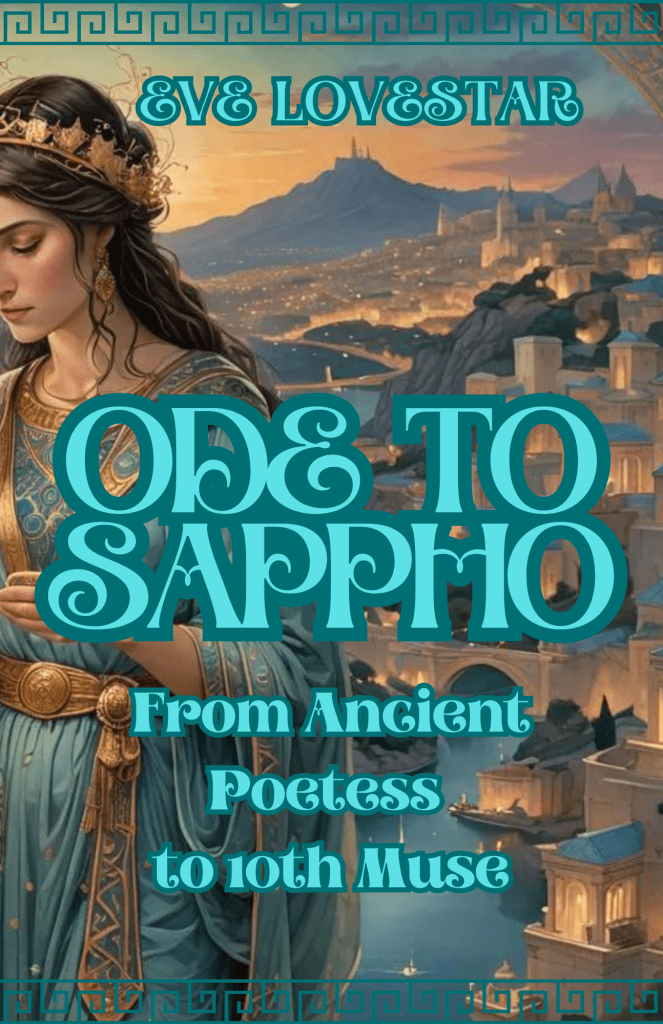
Ode to Sappho, ancient poetess
I created a free eBook to honor the greatest poetess in all of history. Download the free PDF through this link:
The word “poetess” can be traced back to ancient Greece and Rome, where poetry was a revered art form. Female poets were rare but highly respected, such as the famous Sappho of Lesbos, often regarded as one of the greatest lyric poets of antiquity.
The term itself began to gain prominence in English in the 16th and 17th centuries, as poetry became a significant part of European courtly life. Many women who expressed themselves through verse were given the title of “poetess,” a label that both honored their craft and subtly highlighted their gender. It acknowledged their talent while placing them in a separate category from male poets.
Why “Poetess” Fell Out of Use
By the 19th and 20th centuries, the word “poetess” began to carry a different weight. It became associated with a certain patronizing tone, as if female poets were less serious or skilled than their male counterparts. This shift was partly due to the changing social dynamics of the time—women were entering the literary world in greater numbers, and they sought to be recognized simply as “poets,” without the added layer of gender distinction.
The feminist movements of the 20th century further propelled this change. Many women rejected the term “poetess” as it seemed to reinforce a division between male and female creativity, implying that women’s poetry was somehow different or secondary. As equality became the goal, the neutral term “poet” was adopted by women and men alike, with “poetess” seen as outdated and unnecessary.
Why “Poetess” is Beautiful
Though the word “poetess” is seldom used today, it retains a certain beauty and elegance. Its very sound is melodic. More than that, “poetess” carries with it a sense of history, reminding us of the many women who wrote under difficult circumstances, sometimes with little recognition.
The term honors the feminine energy in poetry, which can be nurturing, passionate, intuitive, and fierce. While “poet” is a gender-neutral term that promotes equality, “poetess” offers a nod to the powerful, unique voice of women who have shaped the poetic landscape. It doesn’t diminish their work but instead celebrates the essence of femininity within the craft.
In a world where we often seek to blur distinctions in pursuit of equality, there’s something special about words that acknowledge the feminine presence without devaluing it. “Poetess” is one such word—a celebration of both poetry and womanhood, a reminder that there is beauty in difference, not inferiority.
A Call for Revival
Reclaiming the word “poetess” doesn’t mean we return to an era of gendered titles. Instead, it’s a way to celebrate the legacy of women poets throughout history. It reminds us that art, like language, evolves, and there’s power in acknowledging the past while embracing the future.
Using “poetess” today can be a statement of pride, a nod to the creative feminine spirit that has shaped much of our literary history. It is a word that holds layers of meaning—strength, elegance, artistry—inviting us to remember the women who paved the way in poetry.
In the end, the word “poetess” is not obsolete but rather a forgotten gem, one that can still shine brightly when used with reverence and understanding.
Ode to Sappho, ancient poetess
I created a free eBook to honor the greatest poetess in all of history. Download the free PDF through this link:
Follow me on X where many of my poems go live first
Celebrating Venus Day: Embracing the Ancient Goddess on Friday the 13th
In ancient times, Friday the 13th was not the harbinger of misfortune that it is often considered today. Instead, it was a day imbued with positive significance, particularly in the context of Venus, the ancient goddess of love, beauty, and fertility. This day offers a unique opportunity to connect with the divine feminine and celebrate Venus’s enduring influence.
Ok, I have to find an actual connection between Friday the 13th and Venus, in ancient times Friday was Venus’s day. Venus as Aphrodite is one if the most ancient deities and this day was celebrated as the goddess day. So I’m observing it as Venus day on steroids.
Ancient Lore and Venus
Venus, known as Aphrodite in Greek mythology, was revered across ancient cultures. She was celebrated not only for her associations with love and beauty but also for her role as a symbol of prosperity and harmony. The number 13, often seen as unlucky in modern times, had positive connotations in pre-patriarchal societies. It was associated with the lunar cycle and feminine energy, reflecting the cycles of life and nature.
In Roman times, Venus had numerous festivals, including the Veneralia, held on April 1st, and the Venerealia, dedicated to her worship. The goddess was also honored in various rites connected to love and fertility, celebrating the life-giving forces she represented.
Modern Celebrations of Venus Day
Today, Friday the 13th can be a powerful day for modern spiritual women (and anyone else) to reconnect with Venus and celebrate her essence. Here are some ways to honor this ancient goddess and integrate her influence into contemporary spiritual practices:
Rituals of Love and Beauty:
Create a Venus Altar: Set up a small altar with symbols associated with Venus such as roses, seashells, mirrors, and candles. Use these items to create a space that reflects beauty and harmony.
Offerings: Prepare offerings of flowers, honey, or sweet treats as symbols of abundance and love. These can be placed on your altar or shared with loved ones as an act of kindness.
Meditation and Reflection:
Venus Meditation: Engage in a meditation focused on self-love and empowerment. Visualize Venus’s energy surrounding you, fostering a sense of beauty and confidence.
Journaling: Reflect on your personal connections to love and beauty. Write about how Venus’s attributes influence your life and how you can embody them more fully.
Celebratory Activities:
Host a Gathering: Organize a gathering with friends or fellow spiritual practitioners to celebrate Venus Day. Share poetry, art, and stories that resonate with Venus’s themes.
Dance and Music: Venus was often associated with celebration and joy. Dance or listen to music that uplifts and connects you to the goddess’s energy.
Embrace Feminine Wisdom:
Craft and Create: Engage in creative activities such as crafting, painting, or writing that allow you to express the divine feminine energy. Venus’s influence can inspire creativity and self-expression.
Learn and Share: Study the ancient lore of Venus and share your knowledge with others. Understanding the historical context can deepen your appreciation and connection to the goddess.
Embracing the Spirit of Venus
By celebrating Venus Day on Friday the 13th, modern spiritual women can reclaim the day’s ancient significance and embrace the goddess’s attributes in their daily lives. This celebration is an opportunity to honor the divine feminine, nurture self-love, and connect with the enduring legacy of Venus’s beauty and power.
Whether through ritual, meditation, or creative expression, let Venus’s spirit guide you in celebrating love and beauty, and find joy in reconnecting with this timeless deity.
Please comment with ideas or your wisdom on the topic,
I started learning Greek and I tried listening to Greek music but my ffamily did not like it. I study Italian and for learning, I listen to Italian music and do Italian karaoke. But the Greek music was a huge no for them, but I liked it. Anyway, while I was on the international music energy, I told my kids about my old belly dance obsession. It is howevver, not surprising at all that I just rediscovered bellydancing when I just started to work with Venus!
There was a time, when I was an arts and craft blogger when I used to call myself the belly dancer. I used to draw belly dancers, took a video class, made belly dance costumes, and had a belly dance playlist before I had kids. Now, my oldest kid is 11. It has been a long time. And just like that, I found a belly dance lesson on Youtube. My secind daughter started the lesson with me but stopped because it was hard. During part of the lesson, my son asked to be held while I danced.
Rediscovering the Joy of Belly Dancing: A Fun and Empowering Workout for Women
There’s something magical about finding a form of exercise that not only gets your body moving but also nourishes your soul. That’s exactly what happened to me when I decided to give belly dancing another try. I had been reading about its benefits for women—how it’s great for fitness, boosts confidence, and even connects us with our feminine energy. Curious and excited, I jumped in, and it turned out to be one of the best decisions I’ve made for myself—and for my daughter said it as fun, it really was.
A Workout That Feels Like Fun
To me working out feels like a chore. But belly dancing? It’s a whole different experience. From the moment I started moving, I felt a sense of joy and freedom. The music, the movements, the rhythm—it all comes together in a way that’s not just about exercise but about celebrating my body. It’s like a dance party where I was the star, and the best part is, it doesn’t feel like work at all!
Belly dancing engaged muscles I didn’t even know you had, and by the end of it, I realized I’d had a serious workout. But instead of feeling exhausted, I felt energized and more in tune with my body. The flowing movements work wonders for your core, hips, and even your posture. It’s a full-body workout wrapped in fun and creativity. My daughter did not believe me when I told her this teacher will help with her posture. I finished the class with a smile and ready to do some work.
Connecting with Feminine Energy
One of the things that drew me back to belly dancing was its deep connection to feminine energy. It’s a dance form that has been celebrated by women for centuries, and it’s easy to see why. The movements are all about embracing and enhancing your natural curves, moving with grace, and feeling confident in your own skin.
As I danced, I felt a strong connection to the women who have danced this way throughout history. There’s something incredibly empowering about reclaiming this ancient art form and making it your own. It reminded me that movement isn’t just about fitness—it’s also about expression, joy, and connecting with the feminine energy that flows within us all.
Ever Considered Belly Dancing?
If you’ve been thinking about trying belly dancing—or if this is the first time it’s crossed your mind—I can’t recommend it enough. It’s a workout that’s good for your body, mind, and spirit. Whether you’re dancing alone, with friends, or sharing the experience with your daughters, it’s an activity that brings joy, confidence, and a deep connection to your feminine energy.
So, put on some music, let your body move, and see where the dance takes you. You might just find that belly dancing becomes one of your favorite ways to stay fit, feel fabulous, and celebrate the beautiful, powerful woman that you are. And if you’ve got daughters, nieces, or friends, invite them to join in the fun. There’s nothing quite like the joy of dancing together and embracing the power of being a woman.
It appears I did not know the power of smiling in relationship to Love.
Since I started willing myself to smile as a challenge, I did not that joy was coming as a result of my smiling.
Things simply turned around for me and everything became better.
Now whenever I remember, I smile and smiling at my beloved is easiest. Whenever I look at him and smile he smiles or holds me and things just get better.
The Surprising Power of a Smile: How I Rediscovered Joy in Love
You know how sometimes you stumble upon something so simple yet so powerful that it feels like magic? Well, that happened to me recently when I discovered the power of smiling in my relationship. It all started as a little challenge to myself—a fun experiment, really. I decided to start smiling more, just to see what would happen. I never expected it to transform my life and my love so profoundly.
The Challenge: Smile More
It sounds almost too easy, right? Just smile more. But trust me, there’s something magical about it. I had read somewhere that smiling can trick your brain into feeling happier, even when you’re not particularly in the mood. So, I thought, why not give it a shot? Whenever I caught myself in a neutral or pensive mood, I’d remind myself to smile. It wasn’t forced; it was more like a gentle nudge to myself to find the little joys in the moment.
The Unexpected Results: Joy Sneaking In
Here’s the thing: I didn’t realize how quickly and dramatically things would change. At first, it felt a bit strange, like I was just going through the motions. But then, something incredible happened. As I smiled, joy started creeping into my life in the most delightful ways. It was as if my smile was a signal to the universe that I was open to happiness, and it responded generously.
Love and Smiles: A Perfect Pair
But the best part? The impact it had on my relationship. Smiling at my beloved became the easiest and most natural thing in the world. Every time I looked at him and smiled, I noticed a spark in his eyes—a mirror of the joy I was feeling. He’d smile back, or sometimes he’d just pull me into a warm embrace, and in those moments, everything felt perfect.
It was as if my smile was a secret key that unlocked a deeper connection between us. We communicated more with our eyes and smiles than with words, and it brought us closer than ever. The little annoyances and stresses of daily life seemed to melt away whenever we shared a smile.
The Takeaway: Smile, and the World Smiles Back
Now, whenever I remember, I smile. It’s become a habit, a way of life, and it’s made everything better. I’ve learned that a smile is more than just an expression; it’s a powerful tool for cultivating joy, love, and connection. It’s a way to invite happiness into your life and to share it with those you love.
So, if you’re ever feeling down or disconnected, try it out. Just smile. Smile at yourself, smile at the world, and especially smile at the ones you love. You might be surprised at how much brighter and sweeter life becomes.
Smiling is simple, but its effects are profound. And the best part? It’s contagious. So go ahead—start smiling and watch as the world smiles back at you.










 Lovestar Temple🔥 🔥