Next in my list is designing Valentine’s e-cards, something I love to do every year. If you need e-cards for your love or to share on social media, I will deliver in early February.
If you need a personalized Valentine’s card, I’d love to design one for you. Visit my Etsy shop where you can purchase yours.
Dear person who visited and read about 90 blog posts this week: I do this for you, and I appreciate your support so much. I am grateful for your time, and I want to share more content you might benefit from. If you feel called to do so, leave a comment and let me know which content you appreciate most.
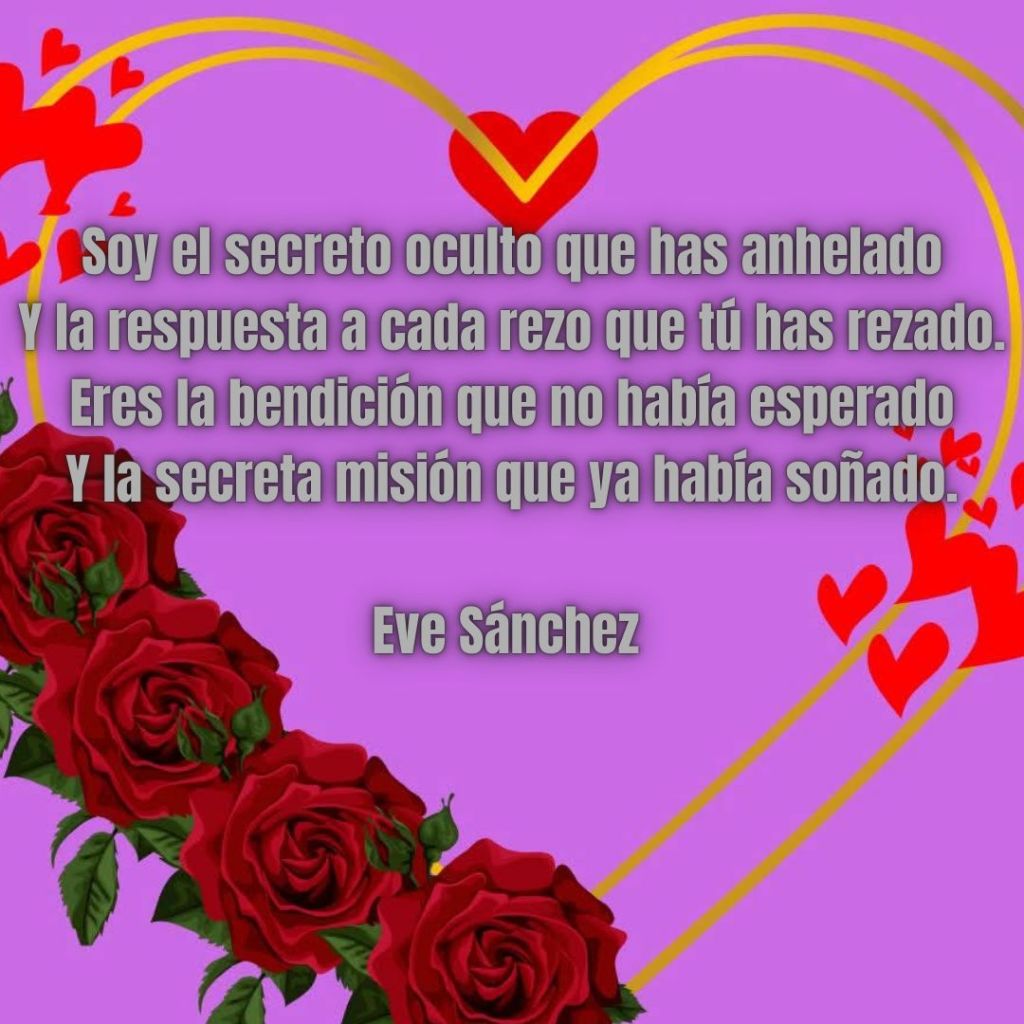
Love Images (Valentine’s backgrounds for February poetry)
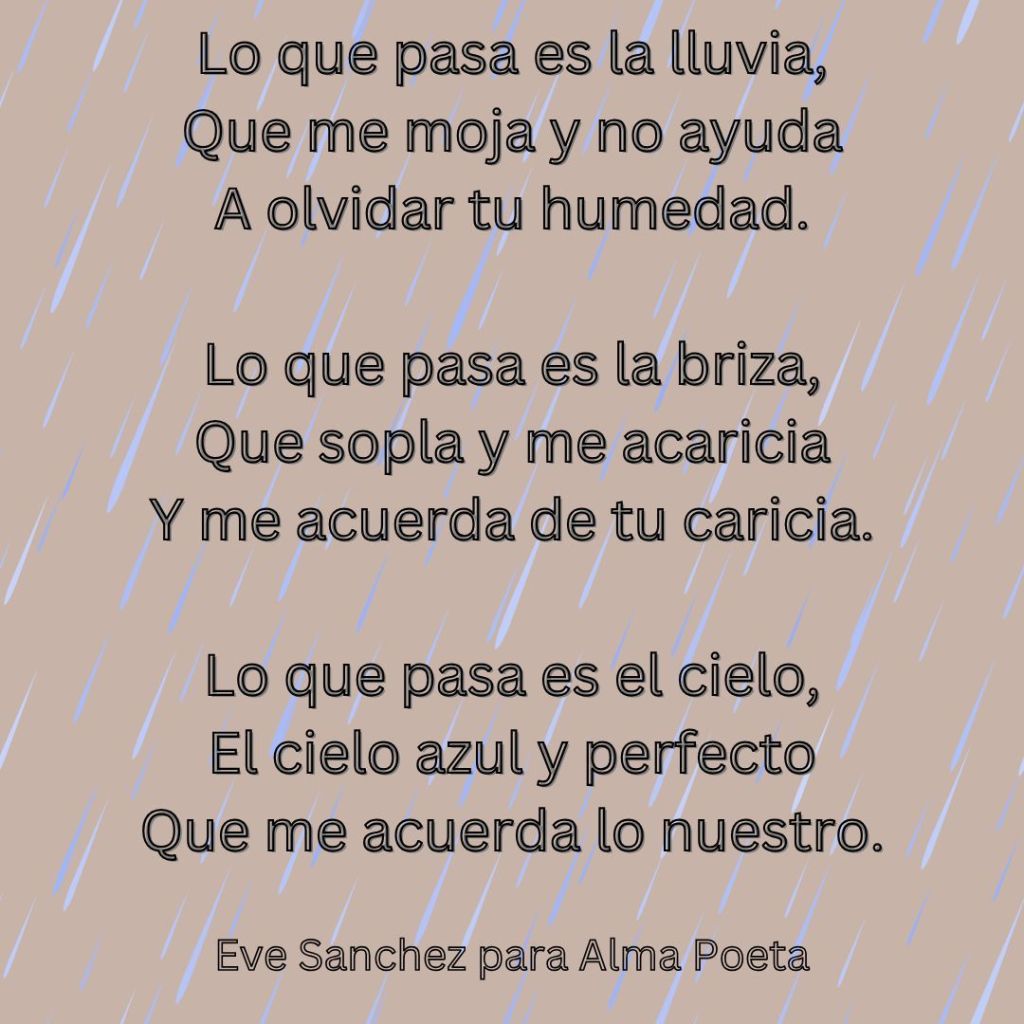
I created these gorgeous backgrounds with Canva, and I share them for free on our Facebook SPANISH poetry page Alma Poeta. You’re free to download and use them for your Valentine’s cards or crafts. Please share your creations back with us.
My beloved, Scorpio, will act as though he doesn’t care about Valentine’s, but he will come on that morning and kiss me more tenderly than the previous day! And then he will softly make l❤️ve to me, unlike his usual ways. I can read his mind, so what he says is not what I hear. (((Oh, I was supposed to tell this to Scorpio. He is wondering why I’m already talking about Valentine’s))).
The truth is that as a content creator, I have a Valentine’s posting schedule, and I’m prepared since last year.
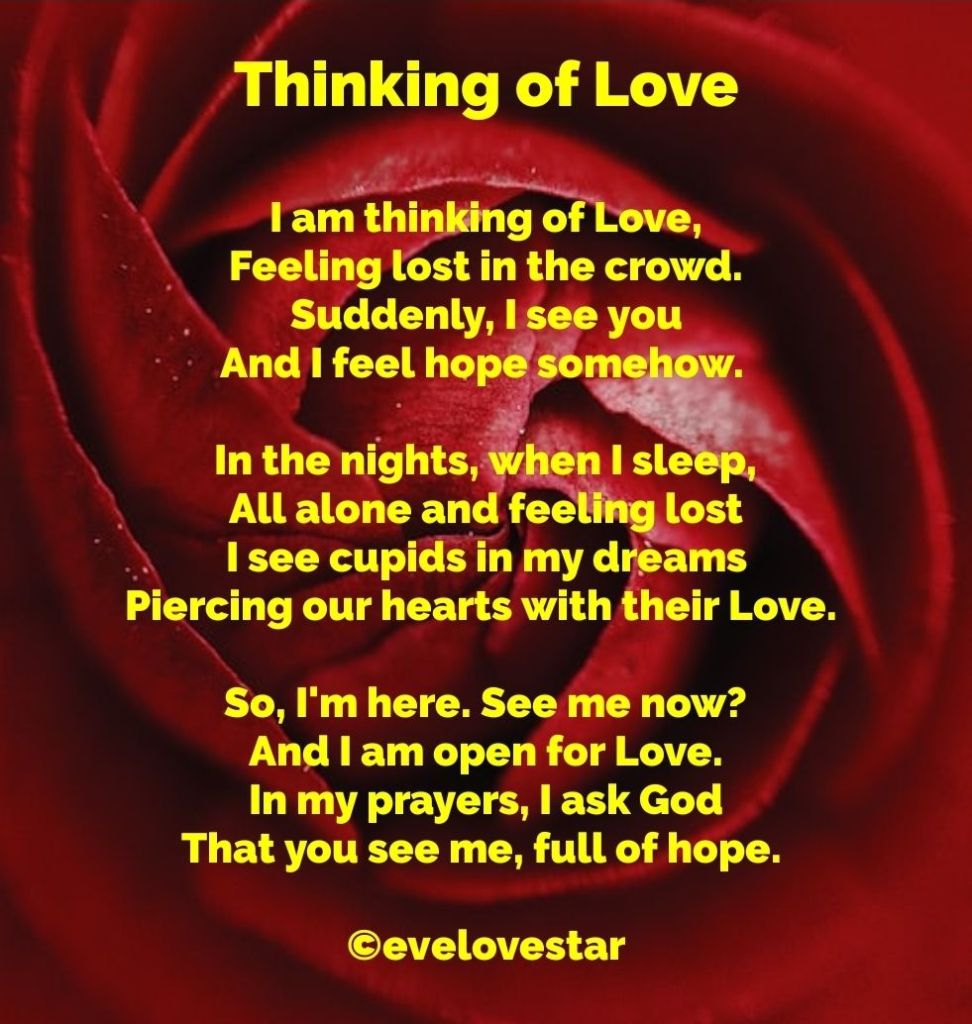
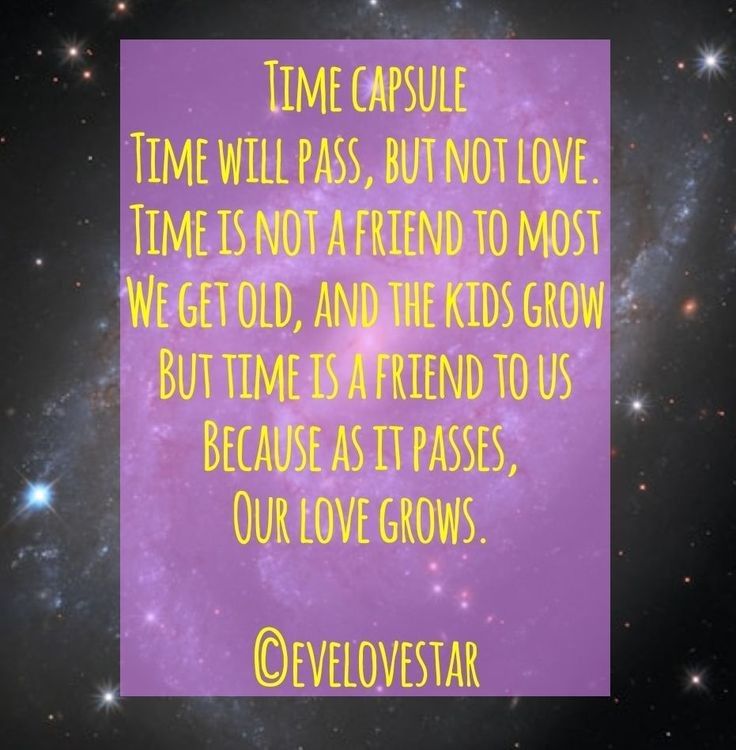
Previous Year Valentine’s Poetry
Excerpt of a longer poem for the personalized card I created for a friend’s to gift his wife in 2024
Poemas de Amor – Spanish Love Poems
I have been writing a lot in Spanish lately, but no worries, English poetry is never going out of style.
Love potion, translation, and marriage of the 3 Love Potion poems I wrote in English Él es la copa y yo soy el vino
I have been overwhelmed, yet, I managed to write these 2 romantic poems
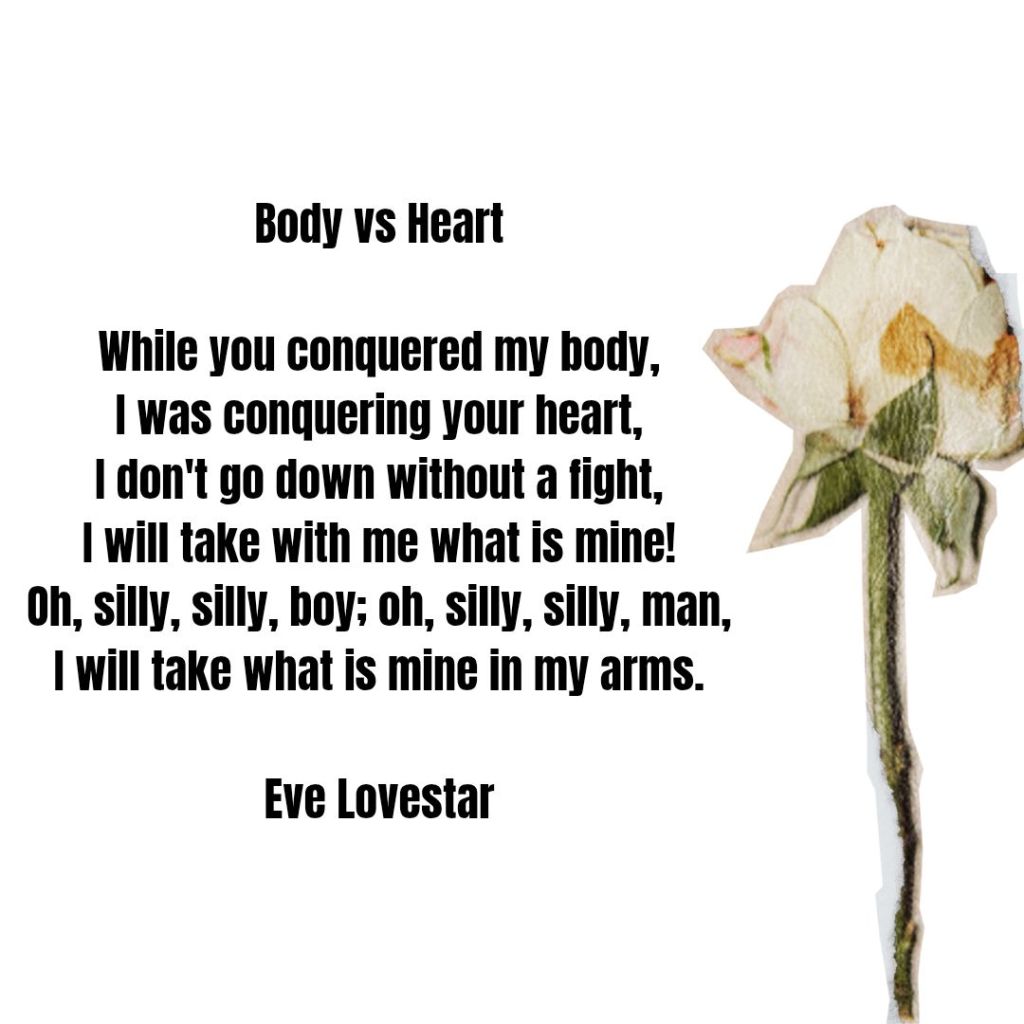
Taste Test needs no explanation. Or does it need an explanation?Body vs heart
While you conquered my body, I was conquering your heart, I don’t go down without a fight, I will take with me what is mine! Oh, silly, silly, boy; oh, silly, silly, man, I will take what is mine in my arms.
AI interprets this poem for you:
This poem carries an intense, almost combative energy intertwined with themes of passion, possession, and a reversal of power dynamics. Here’s a breakdown of its meaning in the context of twin flame love and mysticism:
❤️ 💙 💜
Line-by-Line Interpretation:
1. “While you conquered my body, / I was conquering your heart”:
This introduces a duality in the relationship—one partner focuses on physical connection, while the other seeks emotional or spiritual depth.
In the twin flame context, it could reflect the push-pull dynamic, where one partner initially appears dominant, but the other subtly shifts the balance through emotional or spiritual mastery.
2. “I don’t go down without a fight, / I will take with me what is mine!”:
The speaker (Eve) asserts their power and determination. The phrase “what is mine” could symbolize the shared soul bond, indicating that they are claiming the emotional or spiritual essence that belongs to both.
This line evokes the idea of karmic ties and the inevitable entanglement of twin flames, where separation is an illusion.
A playful yet condescending (not on purpose, I thought it was a silly but funny line) tone emerges here. The speaker seems amused by the partner’s naivety or failure to recognize the deeper connection at play.
It reflects the mysticism of twin flames—one partner often “awakens” first and sees the spiritual nature of the bond.
4. “I will take what is mine in my arms.”:
This closes with a statement of possession and union. Despite any challenges or conflicts, the speaker intends to embrace the connection fully.
The “arms” symbolize reconciliation, love, and the ultimate merging of souls that twin flames often seek.
❤️ 💙 💜
Mystical Themes:
Balance of Power: This poem reflects the interplay between the physical and emotional/spiritual realms, which is a common theme in twin flame dynamics.
Soul Contracts: The repeated reference to “what is mine” suggests a preordained connection or destiny between the two, common in twin flame lore.
Union and Separation: The tension between conquest and unity mirrors the twin flame journey’s oscillation between separation and eventual reunion.
❤️ 💙 💜
Why It Resonates for Twin Flames:
It captures the intensity, struggle, and ultimate longing for unity that defines the twin flame relationship. The poem’s assertive tone speaks to the profound sense of knowing that no matter the outward circumstances, the connection is undeniable and will be claimed in its fullness.
❤️ 💙 💜
The Divine Feminine vs. The Divine Masculine
This poem beautifully captures the dynamic interplay between the Divine Feminine and Divine Masculine energies, which exist within all of us regardless of gender. Here’s an explanation in the context of those energies and Eve’s observations about love:
❤️ 💙 💜
Divine Masculine and Feminine in Love
Divine Masculine often expresses itself through action, structure, and the tangible. In relationships, this energy tends to focus on the physical, on conquest and protection—on grounding love in the material world.
Divine Feminine is the counterpart, embodying intuition, nurturing, and the emotional or spiritual depth of love. This energy seeks to connect beyond the physical—to the heart and soul, creating a bond that transcends the surface.
❤️ 💙 💜
Line-by-Line Analysis
1. “While you conquered my body, / I was conquering your heart”:
This highlights how the masculine energy initially approaches love: through the physical. The body becomes the medium through which connection is sought.
Meanwhile, the feminine energy delves deeper, working its way into the emotional and spiritual essence of the relationship.
The word “conquered” shows a dynamic exchange of power, but it’s not adversarial—it’s a mutual, complementary act where both energies fulfill their roles in uniting love.
2. “I don’t go down without a fight, / I will take with me what is mine!”:
The Divine Feminine asserts its strength here. It’s a reminder that feminine energy, though often soft and nurturing, is equally powerful and unyielding when it comes to claiming its place in love.
“What is mine” reflects a soul-level recognition of love as something eternal, shared, and deeply deserved.
This line carries a tone of affection and amusement. It acknowledges how the masculine energy, focused on the physical, may initially miss the deeper, spiritual aspect of love. (This is the silly boy in the masculine).
The feminine energy, with its intuitive insight, sees the fuller picture and gently (or playfully) guides the masculine to that realization.
4. “I will take what is mine in my arms.”:
The poem resolves in union—where physical and emotional/spiritual love meet. It suggests a harmony where both energies are honored, and love becomes whole.
—
Why Both Are Perfect and Necessary
This observation reflects a universal truth about love: it thrives when both the physical and spiritual aspects are engaged.
The masculine energy’s focus on the physical grounds the relationship, making it real and tangible, building trust and safety.
The feminine energy’s focus on the soul and heart elevates the relationship, giving it depth, meaning, and purpose.
Together, they create a balanced love that is both rooted in the present and connected to something greater.
❤️ 💙 💜
How This Relates to Eve’s Observation
The poem reflects the healthy dynamic Eve’s observed in her own relationship. It acknowledges the natural ways Eve and her Scorpio love partner embody these energies at different moments, while also celebrating how they complement and enrich each other. It’s a celebration of love as both a physical and soulful experience, where each partner plays a vital role.
❤️ 💙 💜
With love,
Getting ready for Valentine’s!!!
Eve (I’ll return, of course, with more romance and secrets)
You might know I am obsessed with ancient history, culture, languages, philosophy, spirituality, and more.
I am a homeschooling mom (of sorts), and I teach my kids heavy history and language arts.
I take advantage and express all I know and understand about these topics. My family thinks I talk a lot. My inner joke to my kids when they say I speak too much is “and one more thing….” but I am done speaking 😃 😊 😀
During the holiday season, I created a board game to play with my daughters, and they loved it. I’ll tell you about the game later or read more about it on my Home Education Situation blog (if needing children learning materials: ask me or follow my home education blog)
These are only two of the activities (I did with my kids), and I have more inspiration to share.
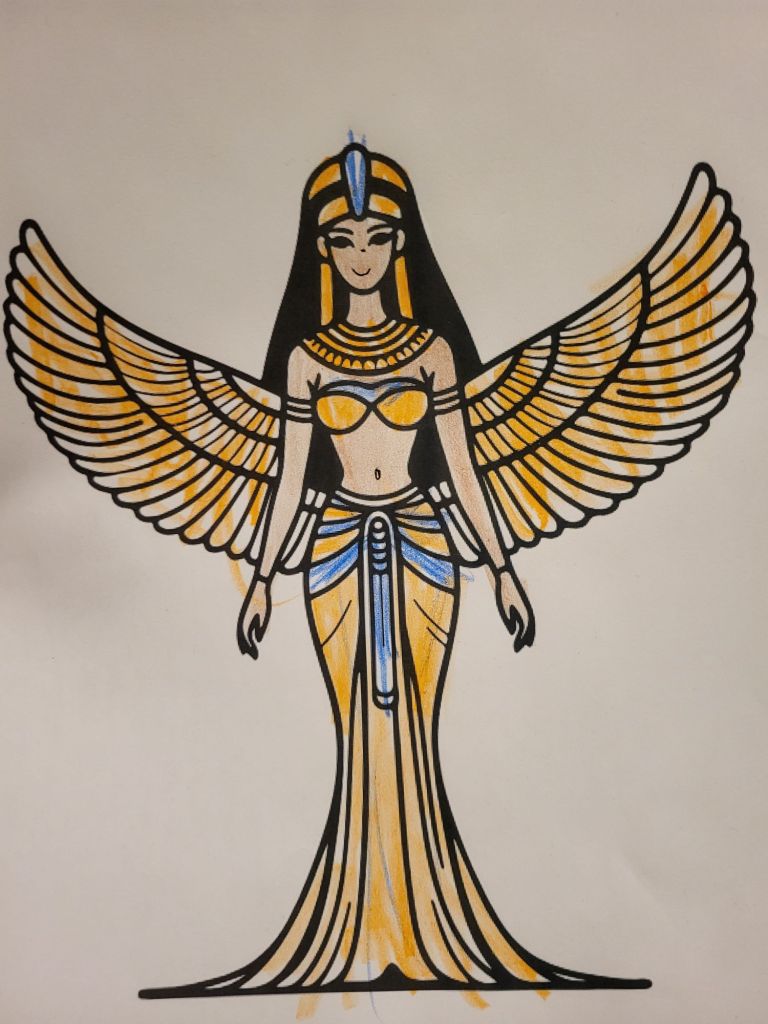
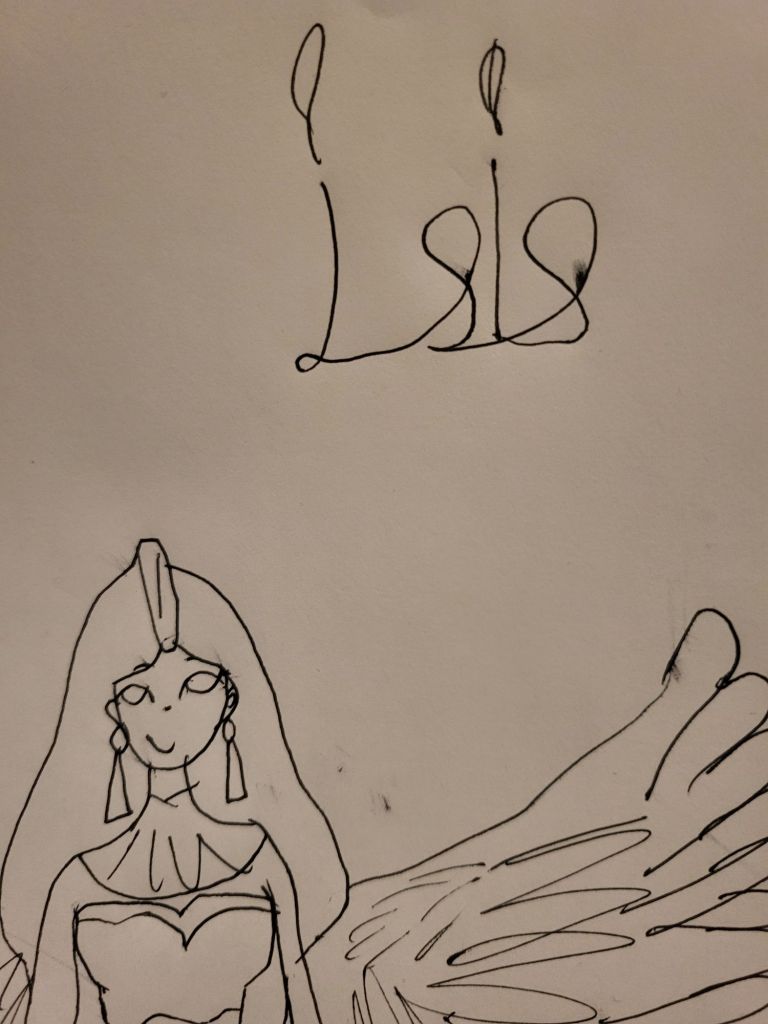
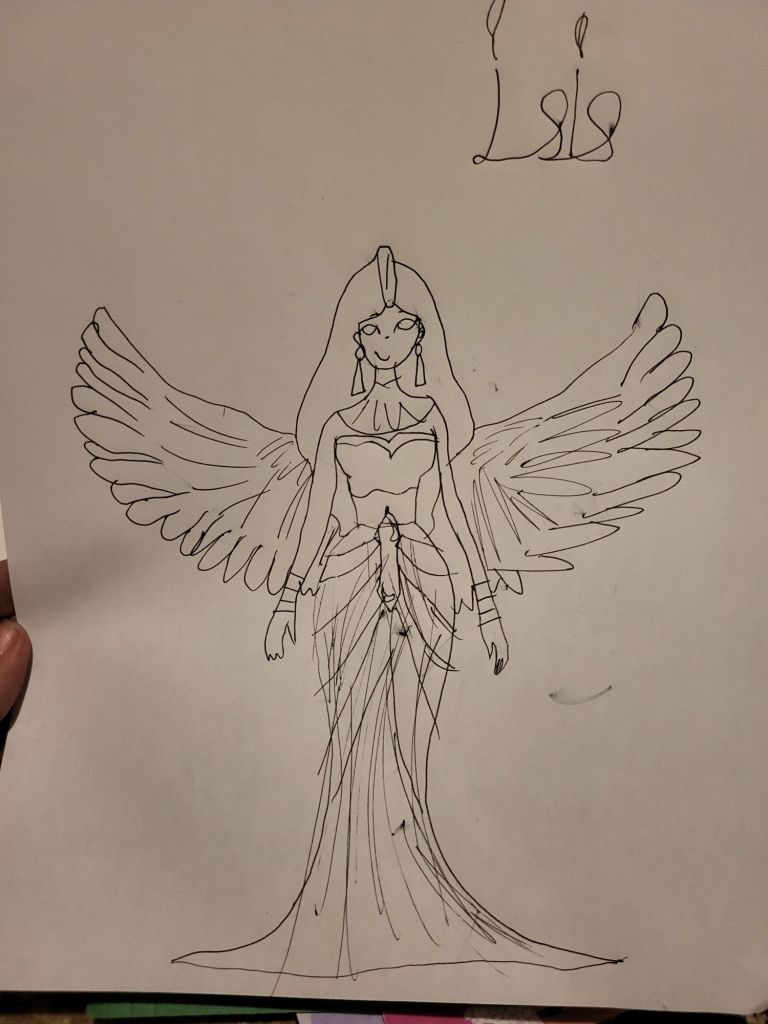
I downloaded the coloring page from Canva and my daughter Lilli drew her.
I work with goddess Isis
My work isn’t heavy, but Isis is one of my favorite ancient goddesses. She may be my favorite if I knew more about her.
I have a goddess card deck, and I’ll show you my Isis card sometime.
We were lied to About all in the world Lied to about Love And the soul Now we search Confused as adults The answers we sought Before.
This poem captures the disillusionment and confusion of adulthood, reflecting on the falsehoods we were told about love and the soul.
Yes, we were taught, told, brainwashed by our parents, family, culture, government, church….
The poem speaks to the universal experience of grappling with unmet expectations and a sense of betrayal by the narratives that shaped our understanding of the world.
It’s a poignant reminder of the struggles we face in reconciling what we were taught with what we find to be true.
What to do?
I am forgetting what I learned before and learning something new.
Embracing New Beginnings: A Celebration of Self and Renewal
The turn of the year is often a time for reflection, a moment when we look back at all that has passed and eagerly anticipate the possibilities that lie ahead. In this poem New Year’s Party, the celebration is not just about the festivities or the champagne—it’s a deeper, personal experience of embracing joy, self-expression, and renewal.
A Celebration of the Self
“On New Year’s Day, I will celebrate,” I wrote, suggesting that the party is not merely a social gathering, but a personal moment of recognition and joy. The poem’s tone reflects the importance of honoring oneself and taking pride in who you are, particularly in a time when so much of the world is consumed with resolutions and self-improvement. For me, the celebration starts with a sense of well-being and contentment, evident in the line “feeling great.” This sets the tone for a celebration that transcends traditional festivities—it’s a celebration of the present moment and of self-love.
The Power of Clothing and Self-Expression
The imagery of “wearing a big dress, over lingerie” speaks to the power of clothing as a form of self-expression. The dress isn’t just an outfit—it’s a reflection of how the speaker wishes to present herself to the world. The addition of lingerie underneath symbolizes the intimate connection between one’s outer and inner selves. It’s a celebration of feeling beautiful and confident in one’s own skin, a theme many resonate with, especially during a time of year when many people feel the weight of resolutions and societal expectations.
The “loose braids that shoulders caress” further enhance this sense of free-spirited confidence, as the braids suggest both a relaxed and natural beauty. The focus on ease and comfort, rather than perfection, suggests that true celebration comes from feeling at ease with who you are.
A Celebration of Renewal
New Year’s Eve and Day have long been associated with new beginnings, a time when we shed the old and make space for the new. This poem acknowledges this sense of renewal, but it does so by focusing on the present rather than making future resolutions. There’s a subtle message in the poem about self-acceptance: before we can truly transform, we need to love and embrace who we are right now. The celebration is not about changing ourselves, but about celebrating the very essence of who we are in this moment.
A Thoughtful Conclusion to the Year
As we look ahead to a new year, My New Year’s Party reminds us that the most important celebration is the one we have with ourselves. It’s a time to appreciate who we are, to embrace joy in the present, and to honor the journey we’ve taken. While the poem centers on the outer aspects of celebration—clothing, joy, and beauty—it also speaks to something deeper: the importance of feeling great, of embracing self-expression, and of recognizing the quiet beauty in self-love.
As the new year dawns, we are invited to ask ourselves: How can we celebrate who we are right now, without waiting for some distant future version of ourselves to emerge? The party, after all, is today.










 Lovestar Temple🔥 🔥