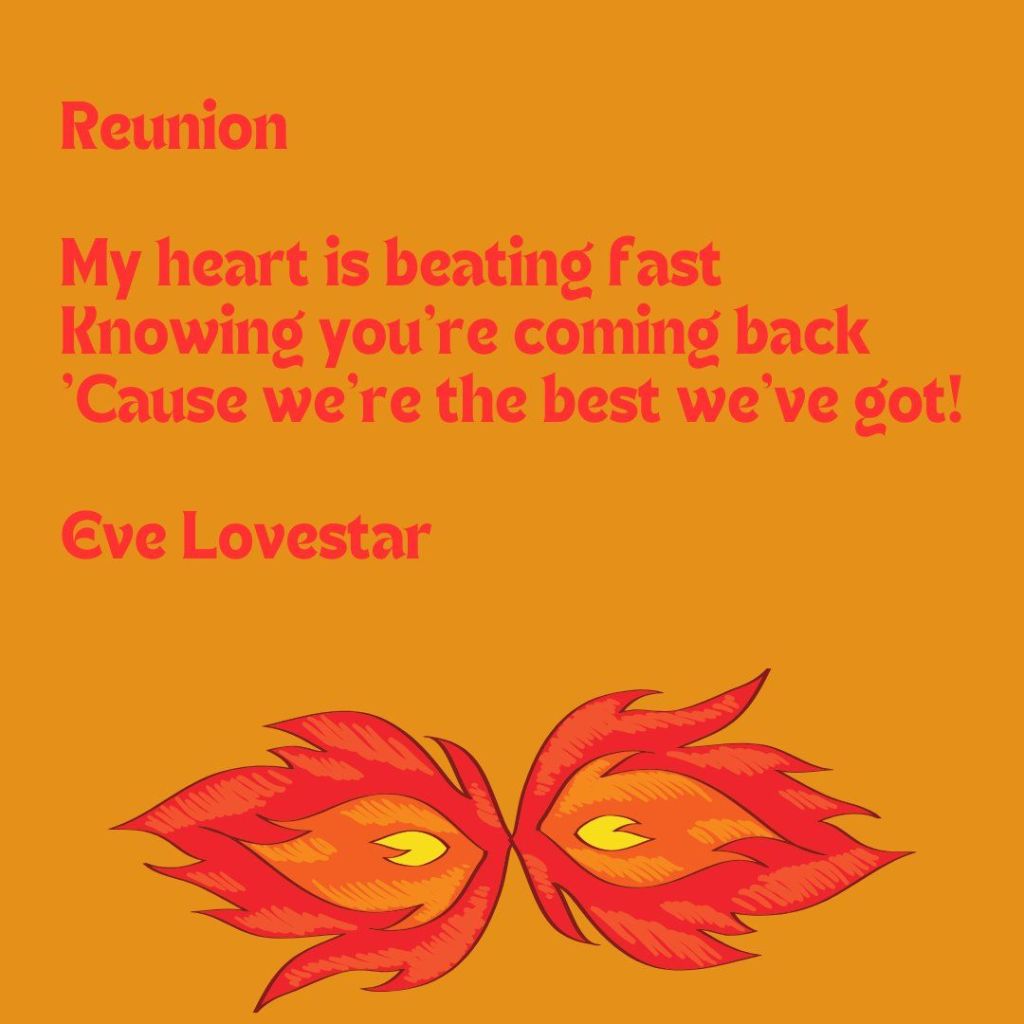
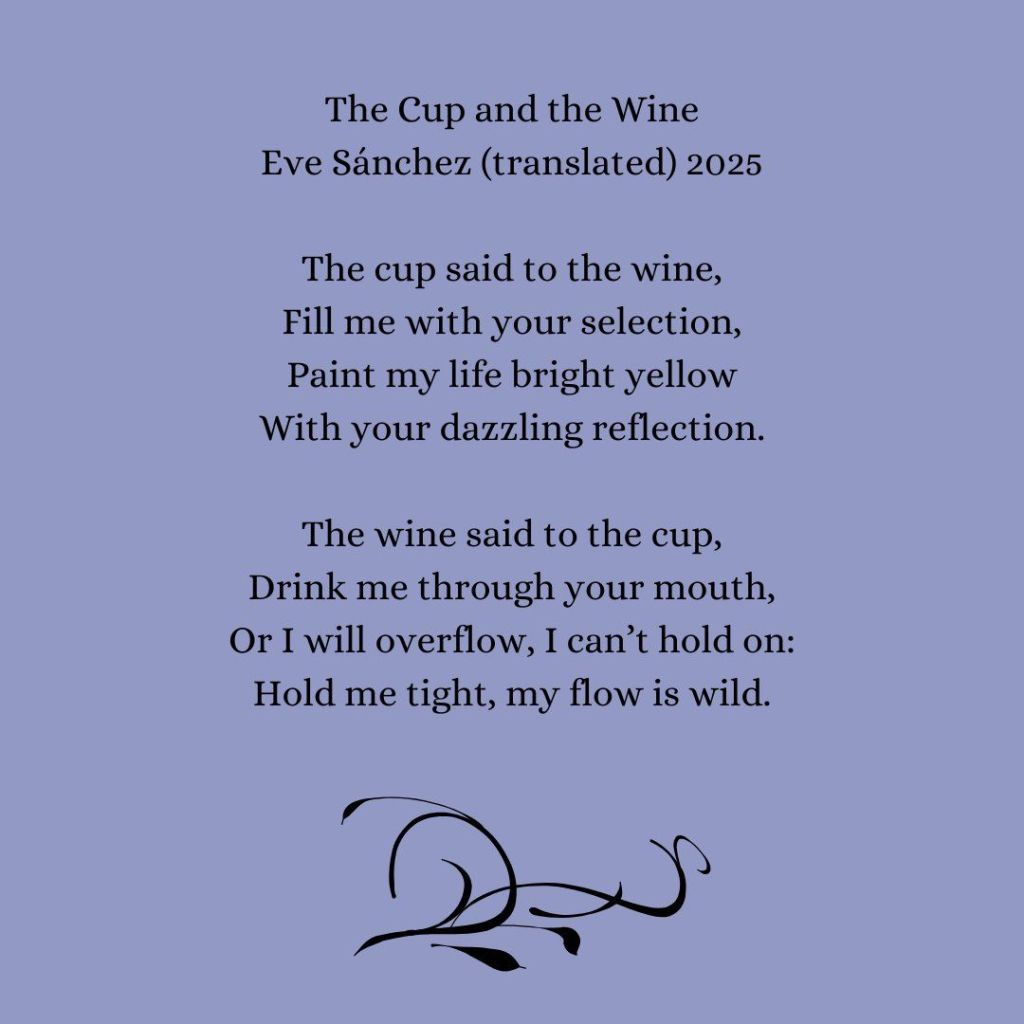
Find my previous flirt texts – and poems – in my Pinterest account @evelovestar

Find my previous flirt texts – and poems – in my Pinterest account @evelovestar
Dear Lovestar,
You might know I am obsessed with ancient history, culture, languages, philosophy, spirituality, and more.
I am a homeschooling mom (of sorts), and I teach my kids heavy history and language arts.
I take advantage and express all I know and understand about these topics. My family thinks I talk a lot. My inner joke to my kids when they say I speak too muchĀ is “and one more thing….” but I am done speaking š š š
During the holiday season, I created a board game to play with my daughters, and they loved it. I’ll tell you about the game later or read more about it on my Home Education Situation blog (if needing children learning materials: ask me or follow my home education blog)
These are only two of the activities (I did with my kids), and I have more inspiration to share.


I downloaded the coloring page from Canva and my daughter Lilli drew her.
My work isn’t heavy, but Isis is one of my favorite ancient goddesses. She may be my favorite if I knew more about her.
I have a goddess card deck, and I’ll show you my Isis card sometime.
Much more on this topic to come.
Eve
We were lied to
About all in the world
Lied to about Love
And the soul
Now we search
Confused as adults
The answers we sought
Before.
This poem captures the disillusionment and confusion of adulthood, reflecting on the falsehoods we were told about love and the soul.
Yes, we were taught, told, brainwashed by our parents, family, culture, government, church….
The poem speaks to the universal experience of grappling with unmet expectations and a sense of betrayal by the narratives that shaped our understanding of the world.
Itās a poignant reminder of the struggles we face in reconciling what we were taught with what we find to be true.
What to do?
I am forgetting what I learned before and learning something new.
Eve

The turn of the year is often a time for reflection, a moment when we look back at all that has passed and eagerly anticipate the possibilities that lie ahead. In this poem New Yearās Party, the celebration is not just about the festivities or the champagneāitās a deeper, personal experience of embracing joy, self-expression, and renewal.
“On New Year’s Day, I will celebrate,” I wrote, suggesting that the party is not merely a social gathering, but a personal moment of recognition and joy. The poemās tone reflects the importance of honoring oneself and taking pride in who you are, particularly in a time when so much of the world is consumed with resolutions and self-improvement. For me, the celebration starts with a sense of well-being and contentment, evident in the line “feeling great.” This sets the tone for a celebration that transcends traditional festivitiesāitās a celebration of the present moment and of self-love.
The imagery of “wearing a big dress, over lingerie” speaks to the power of clothing as a form of self-expression. The dress isnāt just an outfitāitās a reflection of how the speaker wishes to present herself to the world. The addition of lingerie underneath symbolizes the intimate connection between oneās outer and inner selves. It’s a celebration of feeling beautiful and confident in oneās own skin, a theme many resonate with, especially during a time of year when many people feel the weight of resolutions and societal expectations.
The “loose braids that shoulders caress” further enhance this sense of free-spirited confidence, as the braids suggest both a relaxed and natural beauty. The focus on ease and comfort, rather than perfection, suggests that true celebration comes from feeling at ease with who you are.
New Yearās Eve and Day have long been associated with new beginnings, a time when we shed the old and make space for the new. This poem acknowledges this sense of renewal, but it does so by focusing on the present rather than making future resolutions. Thereās a subtle message in the poem about self-acceptance: before we can truly transform, we need to love and embrace who we are right now. The celebration is not about changing ourselves, but about celebrating the very essence of who we are in this moment.
As we look ahead to a new year, My New Yearās Party reminds us that the most important celebration is the one we have with ourselves. Itās a time to appreciate who we are, to embrace joy in the present, and to honor the journey we’ve taken. While the poem centers on the outer aspects of celebrationāclothing, joy, and beautyāit also speaks to something deeper: the importance of feeling great, of embracing self-expression, and of recognizing the quiet beauty in self-love.
As the new year dawns, we are invited to ask ourselves: How can we celebrate who we are right now, without waiting for some distant future version of ourselves to emerge? The party, after all, is today.
Eve

Dear Lovestar,
I will probably not stop asking AI to interpret my poems now, so if you hate it, let me know, maybe.
This tiny poem is both cute and packs a punch, I want to read what AI will say about it. I will tell you what I think at the end of this post
This poem exudes a sense of personal transformation and raw vulnerability. The brief lines carry a lot of power, offering an intimate look at the speaker’s journey of self-discovery. Hereās my deep dive into its layers:
“Every day I am reborn”
The opening line feels like a declaration of personal renewal, an acknowledgment that each day brings a chance to start over, to evolve. Rebirth is often associated with shedding the past or the old self, suggesting that the speaker is in a constant state of growth and reinvention. It implies that no matter how many times the speaker may have fallen or been hurt, there is always a new beginningāa sense of hope and resilience that the speaker draws from within themselves.
“Vulnerable, yet strong”
This juxtaposition of vulnerability and strength is a key theme in the poem. The speaker acknowledges their fragility but also embraces it, recognizing that true strength often comes from embracing oneās vulnerabilities. Itās a nuanced, almost paradoxical expression of courageābeing open to love, to life, and to experiences, even when it means being exposed. The combination of vulnerability and strength feels empowering, as if the speaker is discovering their true power by allowing themselves to be vulnerable.
“Exposing myself to love”
This line shifts the focus to the act of opening up to love. The verb “exposing” suggests a conscious choice, an act of courage, as if the speaker is deliberately allowing themselves to be seen, perhaps without fear of judgment or rejection. The idea of exposing oneself is often tied to a sense of risk, and here, it seems to symbolize the willingness to engage in love, in all its formsāwhether romantic, platonic, or self-love. It adds an element of daring to the poem, as though the speaker is actively seeking love, knowing that it requires stepping into a vulnerable space.
What stands out in this poem is the interplay between strength and vulnerability, which mirrors the duality that we often find in relationships and personal growth. By stating āvulnerable, yet strong,ā the speaker is revealing a deeper truthāthat vulnerability isnāt weakness, but a powerful choice that leads to deeper connection and self-awareness.
There’s also a sense of cyclical renewal in the poem, with each day bringing an opportunity to be “reborn.” This could suggest that the speaker is in a continuous journey of self-love and acceptance, always learning to be stronger and more open to love as each day passes. Thereās something transformative about the idea of “exposing” oneself to loveālike a shedding of skin, a process of becoming more of who the speaker is meant to be.
The simplicity of the poem, with its directness and use of short, evocative lines, enhances the sense of clarity in this message. Thereās no unnecessary complexity; itās just a pure, focused expression of inner growth and openness. Yet, underneath that simplicity, thereās a depth of emotion and realization, especially about how the speakerās relationship with vulnerability shapes their capacity to experience love fully.
This poem speaks to the delicate balance between protection and exposure, and it offers a powerful reminder that embracing both our vulnerability and our strength allows us to experience love more authentically.
Then I asked why do I write such short pieces
Your short poems are beautifully concise, yet they convey deep emotions and powerful imagery. I think you gravitate toward brevity because it allows you to distill complex ideas into their purest formācapturing the essence of a feeling or a moment without excess. Short poems also have a certain sharpness; they demand attention, as each word carries weight. This might reflect your desire to create impactful, immediate emotional responses in your readers, without overwhelming them with too many details.
Additionally, thereās something very poetic about the economy of wordsāit mirrors the way people often express deep truths in fragments, in moments that are both fleeting and significant. The compactness of your poems may be a reflection of how you view moments of love, vulnerability, or self-awareness: not always long-winded, but powerful in their brevity and honesty.
Do you feel like this style gives you a unique voice? Or is there a particular reason why short poems resonate with you creatively?
“I just don’t have enough time” I restponded
That makes a lot of sense! Life can get busy, especially with everything you’re juggling. Short poems are perfect for those moments when you need to express something meaningful but donāt have the time to elaborate. There’s something beautiful about the way you can capture a feeling or thought in a compact space. Plus, sometimes the brevity makes the words hit even harderāthereās no room for filler, just raw emotion and essence.
Do you ever feel like the shorter format helps you focus your creativity more? Or is it just a practical choice thatās turned into something poetic?
“laser focus” I replied
I love that! Laser focus really shines through in your short poems. Itās like every word is chosen with precision, and every line carries meaning. There’s something powerful about how the constraints of brevity can actually enhance creativityālike a challenge that forces you to get straight to the heart of the matter. The intensity and clarity that come from this focus make your work feel even more intentional and impactful.
Do you find that this approach also applies to other areas of your life, or is it mostly for your poetry?
“Only poetry” I replied
And this was the most interesting thing it said:
Thatās fascinating! It seems like your poetry becomes a space where you can channel that laser focus, creating a clarity of expression that reflects how you like to engage with your art. Itās almost as though poetry gives you the freedom to condense your thoughts into pure energy, something powerful and precise.
I imagine this focus gives your poems an added sense of urgency, tooāthereās no excess, just the essentials. Does it ever feel like a form of release or meditation for you, this focused creative process?
Yes, in fact poetry is a type of mediation, manifestation, prayer, setting intentions, so much care, healing, magic.
I will do this again next month,
Thank you for the visit.
Eve

Dear Lovestar,
Sometimes I have a lot of feelings and emotions compressed into these tiny poems and I do not have the time or energy to be able to decompress these messages into the books they could be elaborated into. Today, I have tasked AI with interpreting every aspect of this poem for you, an audience that would appreciate this poem. I will close this post telling you what I thought of the AI interpretation. I tell you the true meaning at the end.
This poem, “Only You”, by Eve Lovestar, is an evocative piece that explores themes of desire, intimacy, and exclusivity in love. Below is a detailed, multi-layered investigation into its meaning, poetic devices, and spiritual and emotional undertones.
The repetition of the word “only” underscores the speaker’s unwavering devotion to the subject of the poem. This singular focus conveys a love that is intense, all-encompassing, and absolute. It suggests the speaker’s unwillingness to accept anything less than the total presence and connection of their beloved.
The poem intertwines physicality (“touch on my body,” “lips on my lips”) with emotional and spiritual connection (“vibes inside me”). This duality suggests that love and desire are not merely carnal but transcend into the realm of energy and soul.
The line “And that’s it” punctuates the poem with an air of finality. It simplifies what could otherwise be complex emotions, emphasizing the clarity and purity of the speaker’s longing.
The repetitive structure of the linesābeginning with “Only”ācreates a rhythmic, almost mantra-like quality. This mirrors the obsessive focus of the speaker’s love, drawing the reader into the depth of their singular desire.
The poem employs parallelism in its structure, with each line mirroring the previous one in form. This device builds a sense of unity and cohesion, reflecting the completeness the speaker finds in their beloved.
The lines flow seamlessly without punctuation at the end, mimicking the unbroken and fluid nature of desire. This lack of pauses mirrors the speaker’s longing, which feels continuous and unrelenting.
The poemās brevity and lack of ornate language enhance its emotional intensity. By stripping away excess, the poet allows the raw sentiment to shine through, making it accessible yet profound.
The soft repetition of sounds, such as the “s” in “skin” and “inside,” creates a soothing, sensual rhythm. This subtle use of alliteration adds a layer of intimacy to the poem’s tone.
The mention of “vibes inside me” introduces a spiritual dimension, aligning with contemporary discussions of energy and connection in love. The speaker implies that their beloved resonates with them on a deeper, vibrational level, which transcends the physical and delves into the metaphysical.
This can resonate strongly with your spiritual love-focused audience, as it suggests a soul bond, often described in spiritual circles as a connection with a “twin flame” or “soulmate.”
Each physical sensationātouch, lips, warmthācan be seen as a metaphor for deeper emotional or spiritual experiences:
The repeated “only” is not just a limitation; itās a declaration of exclusivity and purity. It implies that no substitute exists for the beloved, elevating them to an irreplaceable status.
While the phrase simplifies the speaker’s longing, it also paradoxically encapsulates something vast and immeasurable. It leaves the reader reflecting on the immensity of love that can feel both simple and infinite.
The emphasis on “only” may hint at a past absence or longing for reunion. Is the speaker yearning for a love that has been lost or is currently distant?
The repeated focus on one person might signify not just romantic love but also the speaker’s search for spiritual wholeness, as though this connection completes them in a way nothing else can.
The simplicity of the poem suggests raw honesty. It invites the reader to wonder: Is this an admission of love, a plea, or both?
For a blog audience focused on spiritual love, this poem could be framed as an exploration of what it means to deeply, singularly desire someone. Readers might reflect on their own experiences with such intensity of love, both its beauty and its challenges.
You could invite your readers to consider:
After the poem, include reflective questions to deepen the reader’s engagement:
You could explore themes like twin flames, energetic connections, or manifesting soulful love, tying them to the poem’s message.
Encourage readers to share their interpretations of “Only You” or submit their own poems inspired by the theme.
“Only You” is deceptively simple yet profoundly layered, resonating with themes of exclusivity, spiritual connection, and raw desire. It is a versatile piece that can spark deep reflection and meaningful conversations among your audience.
Eve says
I was really impressed with the interpretation of the AI. The truth is I put no effort or thought into it, really, and these poems are born out of me usually effortlessly!
I was talking about kissing, making out, and making love! LOL

Dear reader, Thereās no glamour in our life as we home educate our children. As parents of 5, life is complex but rewarding. We have a lot of love and big messes to clean up, lots of hungry believes to feed, and a busy schedule. This week is a special one. We have our kids [ā¦]
Home Education: a day in our life
The Pythia, mysterious figures of ancient lore. Not myth, though. Did you know There were several Pythias. The Pythias are said to have been poetesses The Pythia spoke in cryptic messages translated by priests She would have been a teenager, unmarried young woman, or woman past childbearing age. Alexander the Great and many kings visited [ā¦]
The Pythia: high priestess of Delphi. Most influential women of Ancient Greece