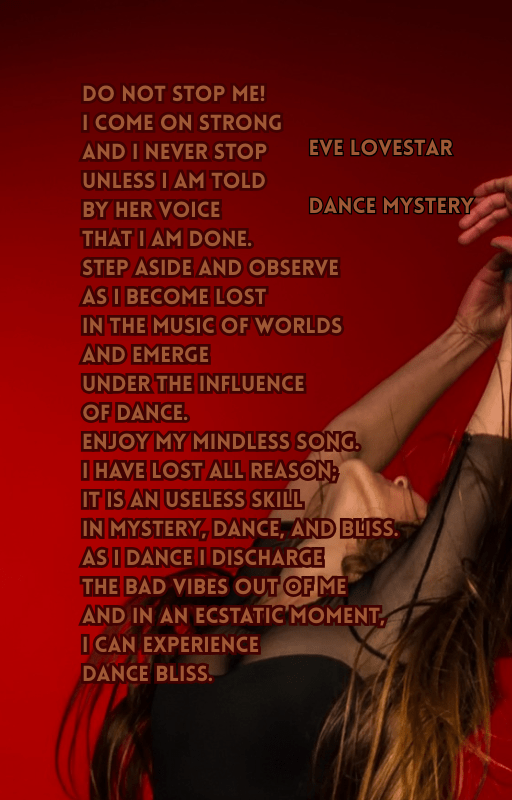
The Vibrant World of Latin Music
When we talk about Latin music, we’re talking about an expansive, colorful, and deeply influential musical landscape, one shaped by history, culture, emotion, and rhythm. And for poets, lovers of language like myself, there’s something utterly poetic in the way Latin music fuses voices, cultures, languages, and emotions.
☆☆☆
1. Roots & Evolution
The story of Latin music is, in many ways, the story of Latin America and the Iberian Peninsula: a confluence of Indigenous, African, and European (especially Spanish and Portuguese) cultural streams. The result is a musical culture that’s rich, layered, and constantly evolving.
African rhythms, brought by enslaved peoples, found fertile ground in the Americas, giving birth to styles such as salsa, rumba, and others.
Indigenous and local traditions added further layers, melodies, instruments, and stories rooted in place and memory.
European (especially Iberian) influences provided harmonic structures, instruments (guitar, violin), and language (Spanish/Portuguese) which became musical vehicles.
Over time, genres emerged, adapted, fused: mambo, cha-cha-cha, bolero, merengue, bachata, tango; later rock en español, reggaetón, Latin trap, and modern fusion experiments.
For me, a Cuban working with Spanish language, poetry, myth, and mythic depth, the emotional and linguistic richness of Latin music is something aligned with my love of language’s power and emotional release.
☆☆☆
2. Why Latin Music Matters
Here are several big-picture reasons why Latin music holds such importance, not only in Latin America or among Spanish/Portuguese speakers, but globally.
A) Cultural Identity & Expression
Latin music is a vehicle of identity: it carries language, memory, community. It allows those of Latin heritage to hear themselves in the world, and for others to hear their stories.
B) Emotional and Rhythmic Power
With its vibrant rhythms, heartfelt lyrics, and often communal nature (dance, gathering, live performance), Latin music offers both emotional release and collective joy. Because we favour the notion of desahogarse (emotional release) in language and art, this is deeply connected: music becomes a form of release, catharsis, affirmation, and community.
C) Global Influence & Cross-Cultural Reach
What was once largely “regional” has become global: songs sung in Spanish or Portuguese top global charts; collaborations span continents; Latin music becomes part of world pop culture.
This shows the power of language and rhythm to transcend borders, a concept I cherish.
D) Innovation & Evolution
Latin music doesn’t sit still. It constantly reinvents: new genres, hybrids, remix culture, digital platforms, all reflect how living languages evolve. (And I believe in the creation of new words, new usages!) The same is true musically: new sounds, new fusions.
☆☆☆
3. Introducing the Latin Grammy Awards
The Latin Grammy Awards (presented by the Latin Recording Academy) are more than just a glamorous show: they’re a recognition of artistic excellence, a celebration of voices, and a mechanism of visibility for Latin music.
The awards were established to honor “recording arts & sciences” in Latin music, giving a platform to Spanish – and Portuguese-language music.
The Academy also supports education, research, preservation of Latin music through the Latin GRAMMY Cultural Foundation, which has awarded millions in scholarships and grants to uplift new creators.
They have categories that reflect the evolving music landscape: beyond pop and traditional genres, entering electronic, alternative, urban, and fusion. For example, the category for Best Latin Electronic Music Performance debuted recently.
Why the Latin Grammys matter:
They bring visibility: artists who might otherwise be under-recognized gain recognition, get broader audiences.
They validate the diversity of Latin music: acknowledging both heritage genres and new experimentations.
They provide a cultural archive: through hall of fame recognition, lifetime achievement awards, etc., the historical weight of the music is preserved.
They create a shared moment of celebration, a gathering of artists, industry, audience that reinforces the sense that Latin music is a major global force.
☆☆☆
4. Taking a Poet’s Lens: Connecting With This Work
Given my poetic focus, my interest in language, ancient myth, and emotional release, here are some reflections on how Latin music synchronises with my vision:
Language & Poetic lyricism: Many Latin music songs carry strong poetic value, metaphors, emotional narratives, interplay of rhythm and language. My love for free verse, confessional poetry, spiritual depth, all resonate with many Latin lyric traditions.
Myth & cultural memory: As I draw from ancient Greek myth and language, Latin music draws from cultural memory, mythic themes, ancestral rhythms, its roots in Afro-Indigenous-European fusion are themselves mythic in cultural terms.
Release & emotional catharsis: Latin music offers moments of release. Whether through dance, song, live performance, or intimate listening, there is a letting-go, a healing dimension. We, latinos, love this aspect of our music.
Innovation & fusion: I value living languages, neologisms, the evolution of forms. Latin music exemplifies that, genres don’t stay still, artists innovate, languages mix (Spanish/English, Portuguese/English), new sounds emerge.
Community & support: Much of my work is about offering support and encouragement. Latin music’s communal nature, celebration, shared rhythm mirrors that sense of ‘we’ in support, in healing, in expression.
☆☆☆
To wrap this up:
Latin music isn’t just a genre, it’s a cultural phenomenon, a living tradition, a global force. It matters because it brings language, rhythm, identity, and emotion into one power-charged space. The Latin Grammy Awards serve as both an emblem of recognition and a platform for further growth, innovation, and visibility.
I will be watching and dancing.
And you?
What is your favorite Latin music?
Dp you dare dance?
Eve
 Lovestar Temple🔥 🔥
Leave a comment